



Industrial Cable Reliability Testing Explained: High Temperature, Salt Spray, Flexing & More
Industrial cables are often expected to operate for years in harsh environments without failure. Whether installed in factory automation systems, renewable energy facilities, transportation infrastructure, robotics equipment, or data communication networks, cables must withstand a combination of mechanical stress, environmental exposure, and electrical loads.
A cable failure may seem insignificant, but in industrial environments it can lead to equipment downtime, production losses, safety risks, and costly maintenance. For this reason, reliability verification has become one of the most important stages in industrial cable development and manufacturing.
But how do manufacturers determine whether a cable is truly reliable? The answer lies in a comprehensive testing program that simulates real-world operating conditions. From high-temperature aging and salt spray exposure to repeated bending and electrical performance evaluation, industrial cables undergo extensive validation before entering service.
This article explains the most important reliability tests used in the cable industry and why they matter for long-term performance.
Why Reliability Testing Matters for Industrial Cables
Industrial cables often operate in environments far more demanding than residential or commercial applications.
Common challenges include:
· Continuous mechanical movement
· Elevated operating temperatures
· Exposure to moisture and chemicals
· UV radiation
· Salt-laden coastal environments
· Vibration and shock
· Electromagnetic interference
· Long operating lifecycles
Even a small weakness in conductor quality, insulation materials, shielding effectiveness, or connector interfaces can eventually cause system failures. Reliability testing helps manufacturers:
· Validate cable design performance
· Identify potential failure mechanisms
· Verify compliance with industry standards
· Improve product lifespan
· Reduce field maintenance costs
· Increase customer confidence
The goal is simple: ensure the cable performs consistently throughout its intended service life.
High-Temperature Testing: Verifying Thermal Stability
Temperature is one of the most significant factors affecting cable lifespan. Many industrial environments expose cables to:
· Equipment-generated heat
· Outdoor solar radiation
· Enclosed control cabinets
· High-current electrical loads
Over time, excessive heat can accelerate insulation aging, increase brittleness, and degrade electrical properties.
What Is a High-Temperature Aging Test?
During high-temperature testing, cable samples are placed in controlled thermal chambers and exposed to elevated temperatures for extended periods.
Typical objectives include:
· Evaluating insulation stability
· Measuring dimensional changes
· Assessing tensile strength retention
· Verifying flexibility after aging
· Monitoring electrical performance changes
Materials such as XLPE, PVC, TPE, FEP, and PTFE each respond differently to prolonged heat exposure.
A well-designed cable should maintain its mechanical and electrical characteristics even after accelerated aging cycles.
Salt Spray Testing: Assessing Corrosion Resistance
Industrial cables are frequently installed in coastal regions, offshore facilities, wastewater plants, and chemical processing environments. These applications expose metallic components to corrosive conditions.
What Is Salt Spray Testing?
Salt spray testing simulates long-term exposure to corrosive environments by placing samples inside a chamber that continuously generates a fine salt mist. The test evaluates:
· Corrosion resistance of conductors
· Shielding durability
· Connector protection effectiveness
· Jacket material integrity
· Surface oxidation behavior
Depending on application requirements, exposure times may range from 48 hours to several hundred hours. For industrial communication and power cables, maintaining conductor integrity is essential for ensuring stable electrical performance throughout the product lifecycle.
Bending and Flexing Tests: Simulating Real-World Movement
Many industrial cables are not static installations. Examples include:
· Robotic arms
· Automated production lines
· CNC machinery
· Cable carriers
· Material handling equipment
These applications subject cables to continuous bending and movement.
Why Flex Testing Is Critical
Repeated flexing can lead to:
· Conductor fatigue
· Shield breakage
· Insulation cracking
· Signal degradation
A cable may appear intact externally while suffering internal conductor damage. During flex testing, cables undergo thousands—or even millions—of bending cycles under controlled conditions. Engineers evaluate:
· Conductor continuity
· Signal integrity
· Insulation condition
· Shield effectiveness
High-flex industrial cables often require optimized conductor stranding and specialized jacket materials to achieve extended service life.
Abrasion Resistance Testing
Industrial environments frequently expose cables to friction and physical contact.
Examples include:
· Drag chains
· Moving equipment
· Rough installation surfaces
· Frequent maintenance activities
Abrasion testing measures a cable's ability to withstand surface wear. During testing, the cable jacket is subjected to controlled friction cycles until visible damage occurs.
A robust outer jacket helps:
· Protect internal conductors
· Extend service life
· Reduce maintenance frequency
· Improve overall reliability
Electrical Performance Testing
Mechanical durability alone is not enough. Industrial cables must also maintain stable electrical performance throughout their lifespan. Key tests often include:
Conductor Resistance Testing
Ensures conductors meet design specifications and can carry current efficiently. Lower resistance generally means:
· Reduced energy loss
· Lower heat generation
· Improved efficiency
Insulation Resistance Testing
Measures the effectiveness of insulation materials in preventing current leakage. High insulation resistance contributes to:
· Safety
· System reliability
· Reduced risk of short circuits
SUNKEAN's Approach to Industrial Cable Reliability
At SUNKEAN, reliability is designed into every stage of cable development and manufacturing. Our industrial cable solutions are supported by:
· Advanced extrusion technologies
· Imported online monitoring systems
· Precision manufacturing processes
· Comprehensive electrical testing
· Environmental reliability validation
From industrial automation cables to high-speed communication cables and renewable energy applications, we focus on delivering products that maintain stable performance under demanding operating conditions. By combining material expertise, process control, and rigorous testing, SUNKEAN helps customers reduce risk and improve long-term system reliability.
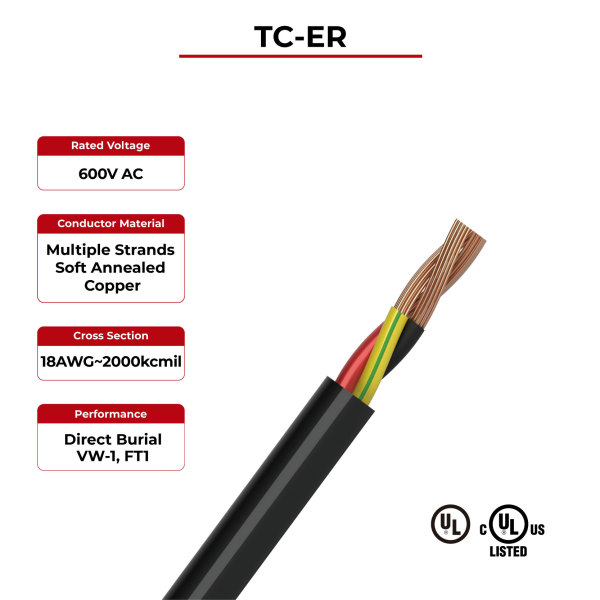
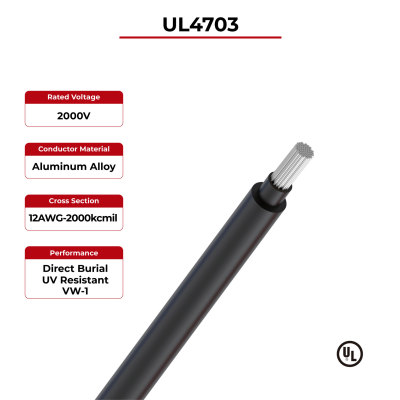
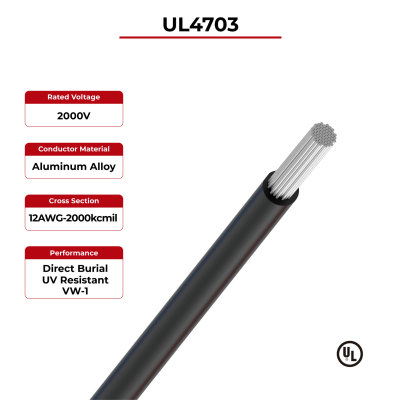
Conductor: 18AWG~2000kcmil
Color: Black, red, yellow/green or other colors

Conductor: 14AWG~2000kcmil
Color: Black, red, white or other colors

This cable can be used for photovoltaic inverter AC branch lines.

Conductor: 14AWG~10AWG
Insulation Color: Optional color
Jacket Color: Black
Industrial cable reliability cannot be determined by appearance alone. Only through comprehensive verification—including high-temperature aging, salt spray testing, flexing evaluation, abrasion resistance testing, and electrical performance assessment—can manufacturers confirm that a cable is ready for demanding industrial applications.
As industrial systems become more connected, automated, and data-driven, the importance of reliable cable infrastructure continues to grow. Choosing cables that have undergone rigorous reliability testing helps ensure safer operation, longer service life, reduced downtime, and lower overall ownership costs.
For engineers, system integrators, and equipment manufacturers, reliability testing is not just a quality requirement—it is a critical investment in long-term performance.
Looking for reliable ev charging cable solutions for your project?
SUNKEAN provides high-performance cables designed for solar, industrial, and infrastructure applications — with proven durability, customized solutions, and global project experience.
👉 Contact our team for technical consultation or product recommendations,
or simply send us your project requirements:
Email: sales@sunkean.com
Tel: +86 0510-81083036
WhatsApp: 17252867971