Connecting an Intelligent and Sustainable Future
-
 Solar
Solar -
 Energy Storage
 -
 Electric Vehicles
 -
 Industrial
 -
 AI Interconnection
-
-
By Certification
-
-

By Certification
-
By Certification
-



Reliable Copper-to-Aluminum Connection Solution
Lower cost. Safer CU-AL connections.
Home / Copper to Aluminum Connection
Key Benefits
Why Use Aluminum Cables in Solar Projects?
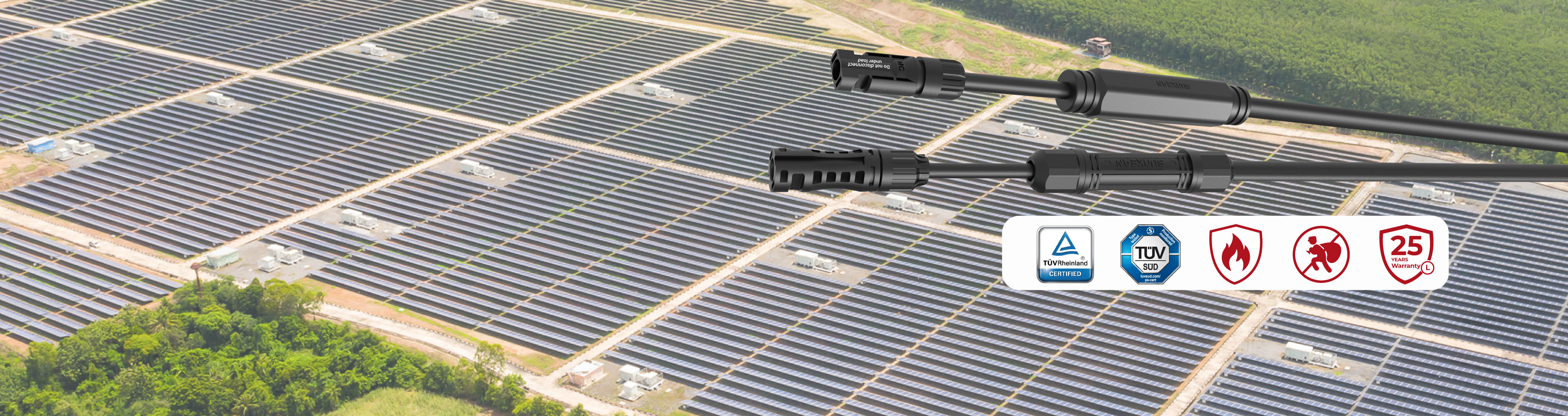
With rising copper prices and increasing cable theft risks, aluminum cables are becoming the preferred choice for utility-scale solar projects.

Lower Cost
Up to 30–50% lower cost than copper

Easy Installation
Lightweight, easier installation

Theft Resistant
Lower theft risk due to lower scrap value

Utility-Scale Ready
Suitable for large-scale PV plants
Choose one
Copper-to-Aluminum Connection Solution of SUNKEAN
- For Utility-Scale Solar Projects
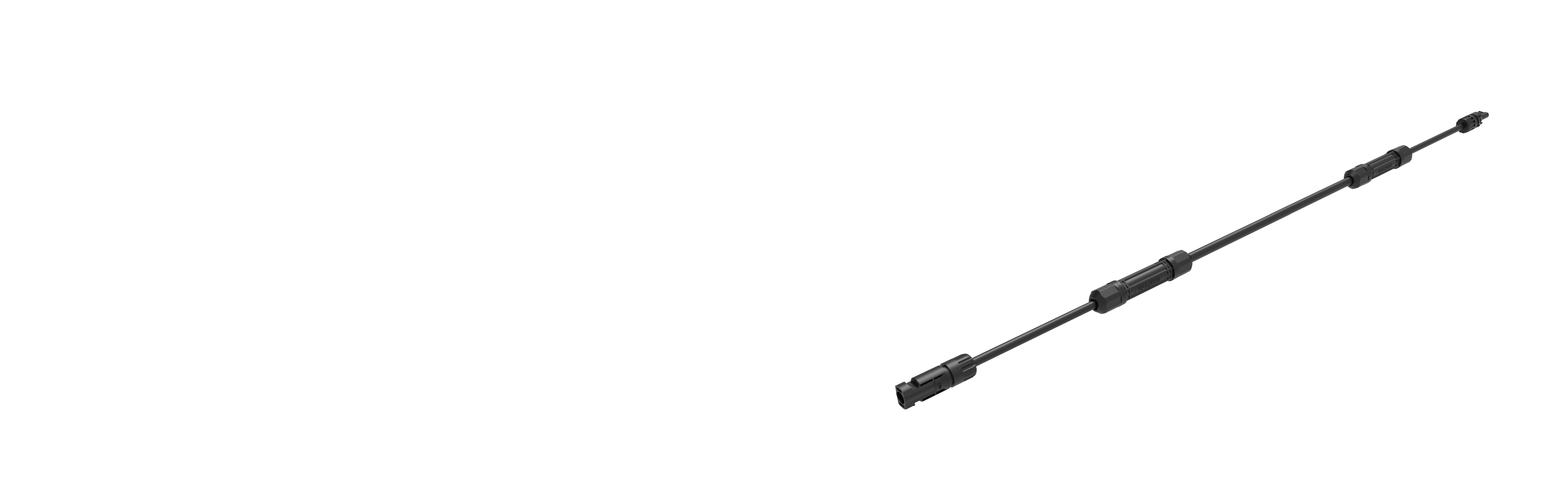
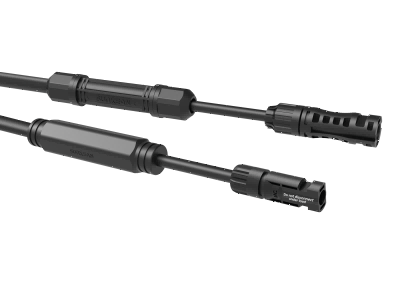
SK-TC CU-AL Transition Harness
Designed for large-scale photovoltaic power plants, the SUNKEAN SK-TC Cu-Al transition interconnection solution enables reliable copper-to-aluminum cable connections with improved installation flexibility and optimized system cost. Engineered for field adaptability, the solution simplifies on-site crimping and supports efficient deployment in complex solar project environments.
- For Utility-Scale Solar Projects
- For Next-Generation PV Systems
SK4&SK-A PV Copper-Aluminum Connector
The SUNKEAN SK-A aluminum connection solution is designed to support lightweight, cost-effective, and high-efficiency photovoltaic cable systems. By leveraging aluminum conductor technology, the solution helps reduce material costs while meeting the performance requirements of modern solar energy infrastructure.
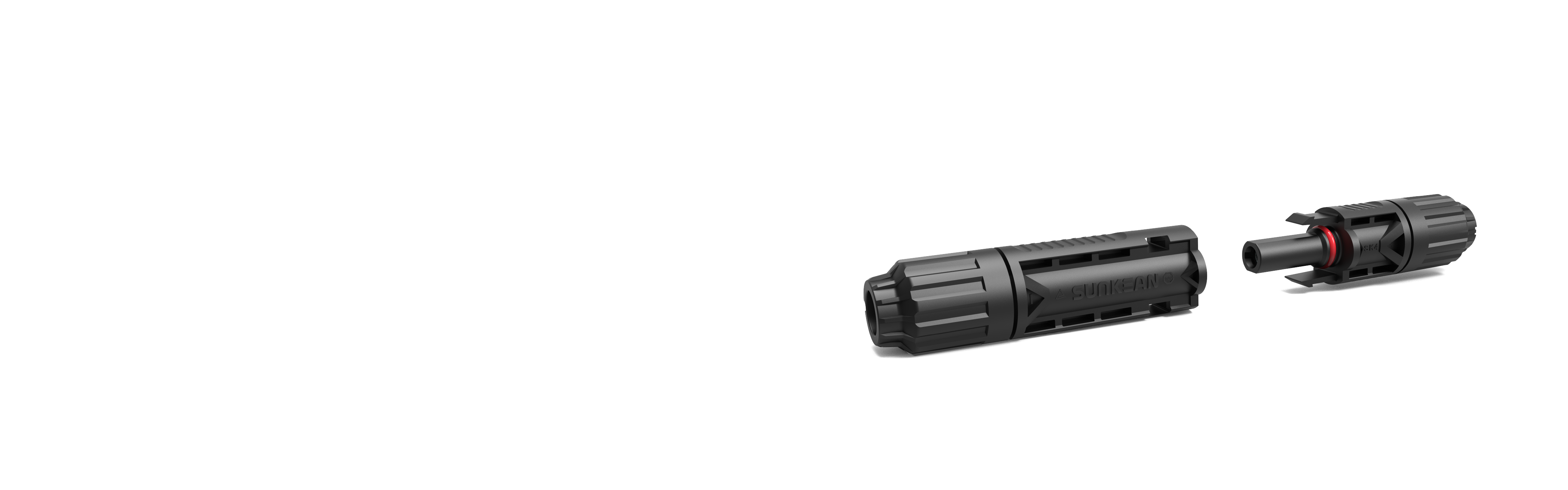
- For Next-Generation PV Systems
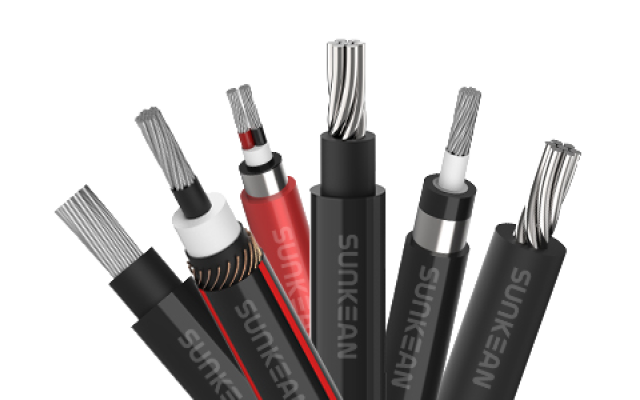
Integrated Aluminum Cable Connection System
Engineered as a complete system to eliminate installation errors and ensure consistent connection quality.




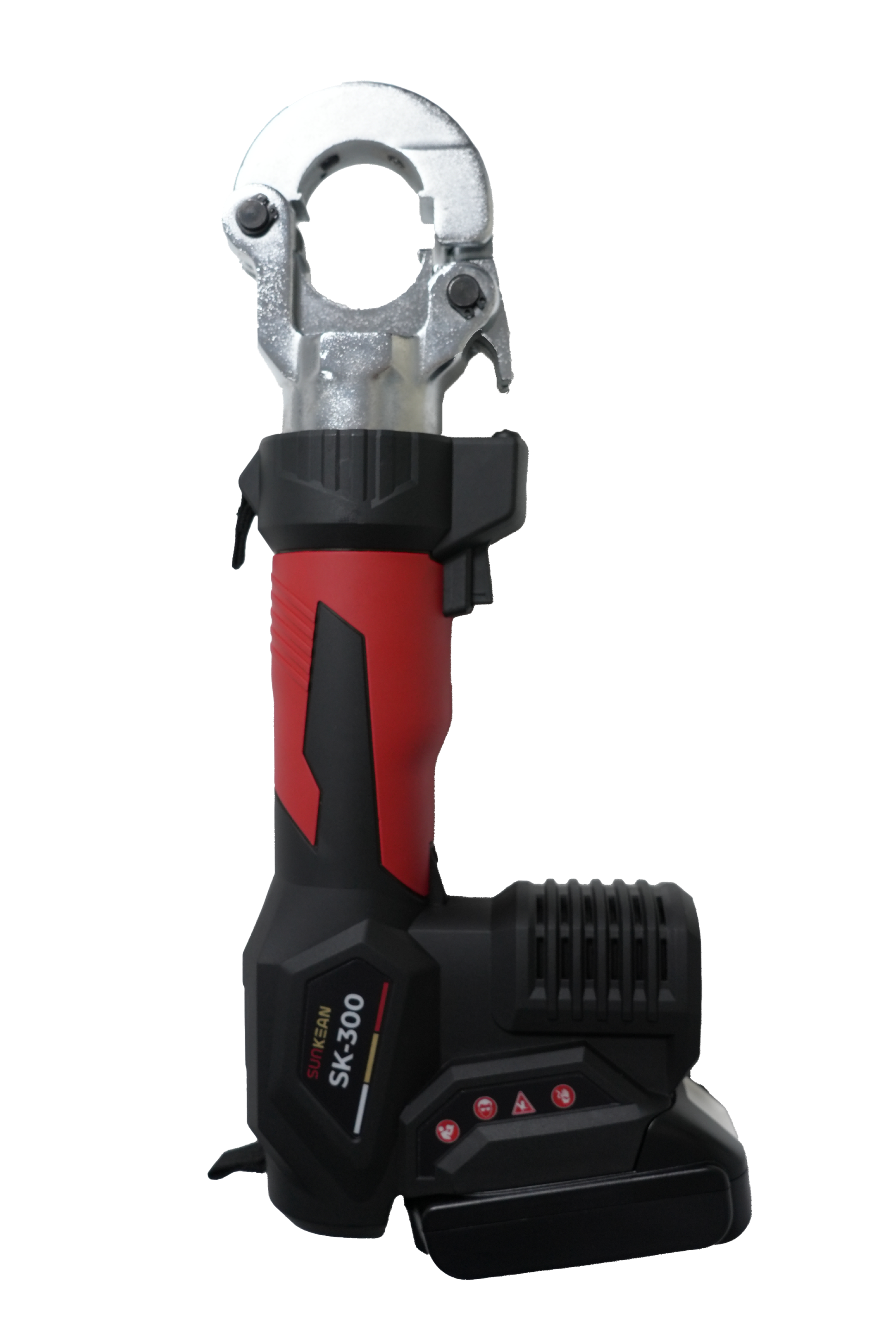
Why Choose SUNKEAN
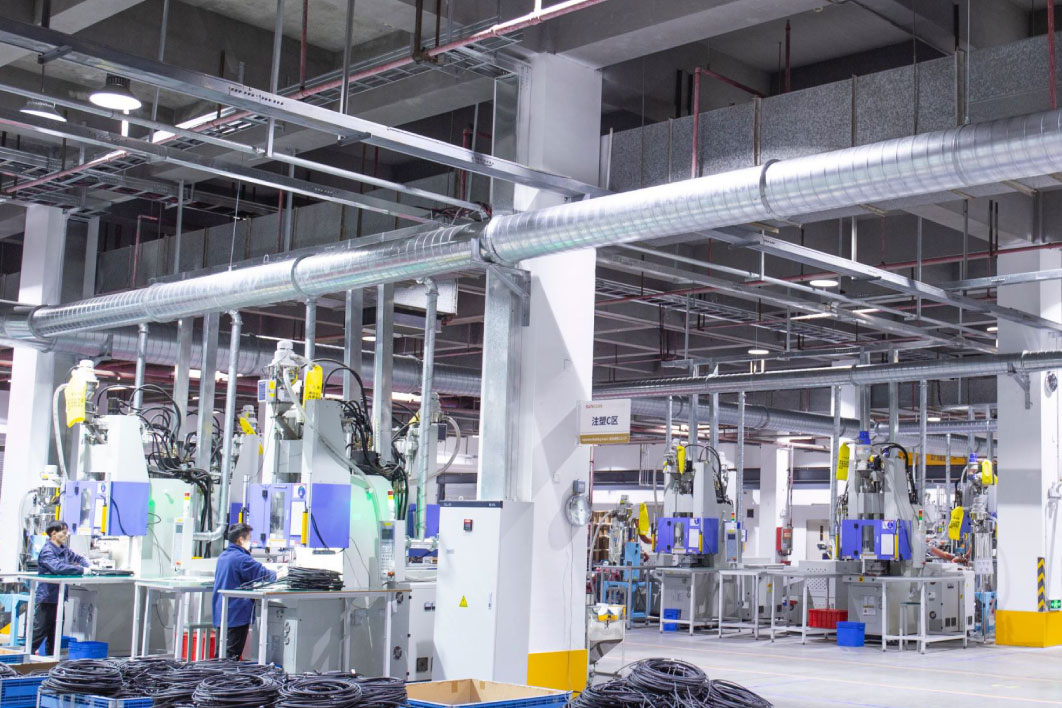
Advanced Manufacturing Capability
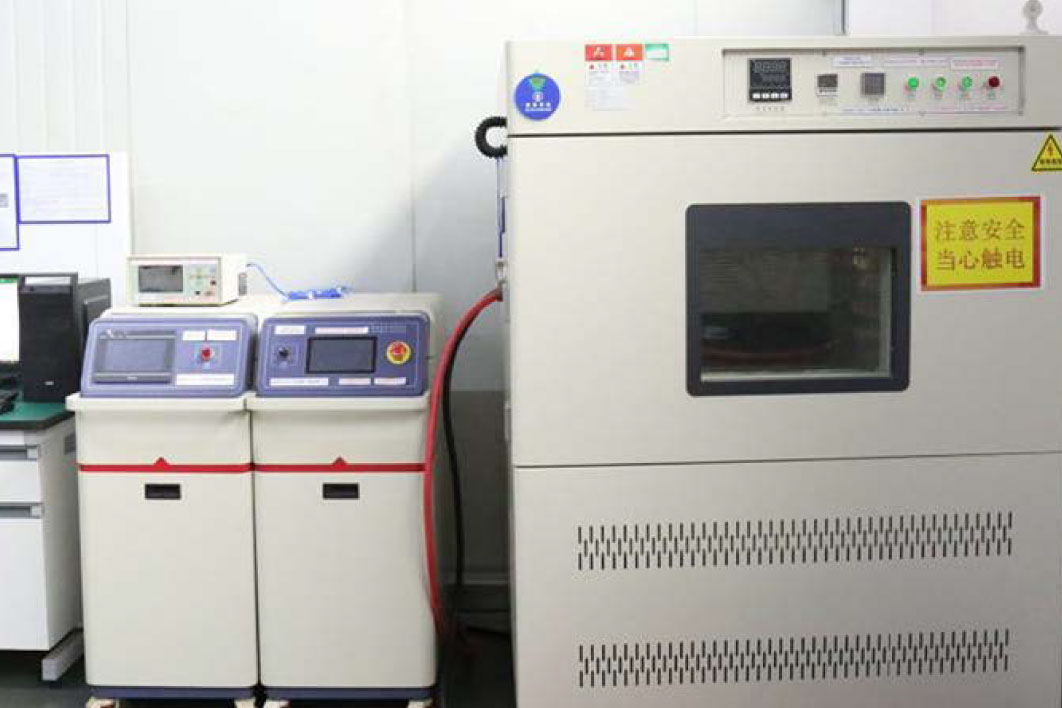
Strict Quality Control
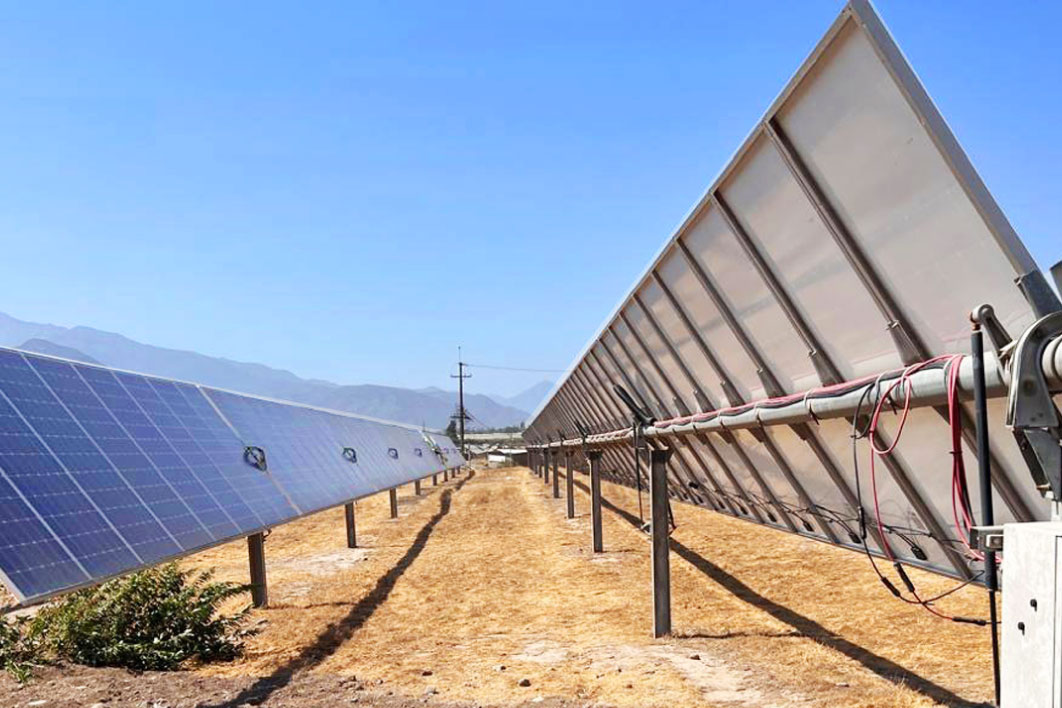
Global Project Experience
Trusted by Solar Projects Globally
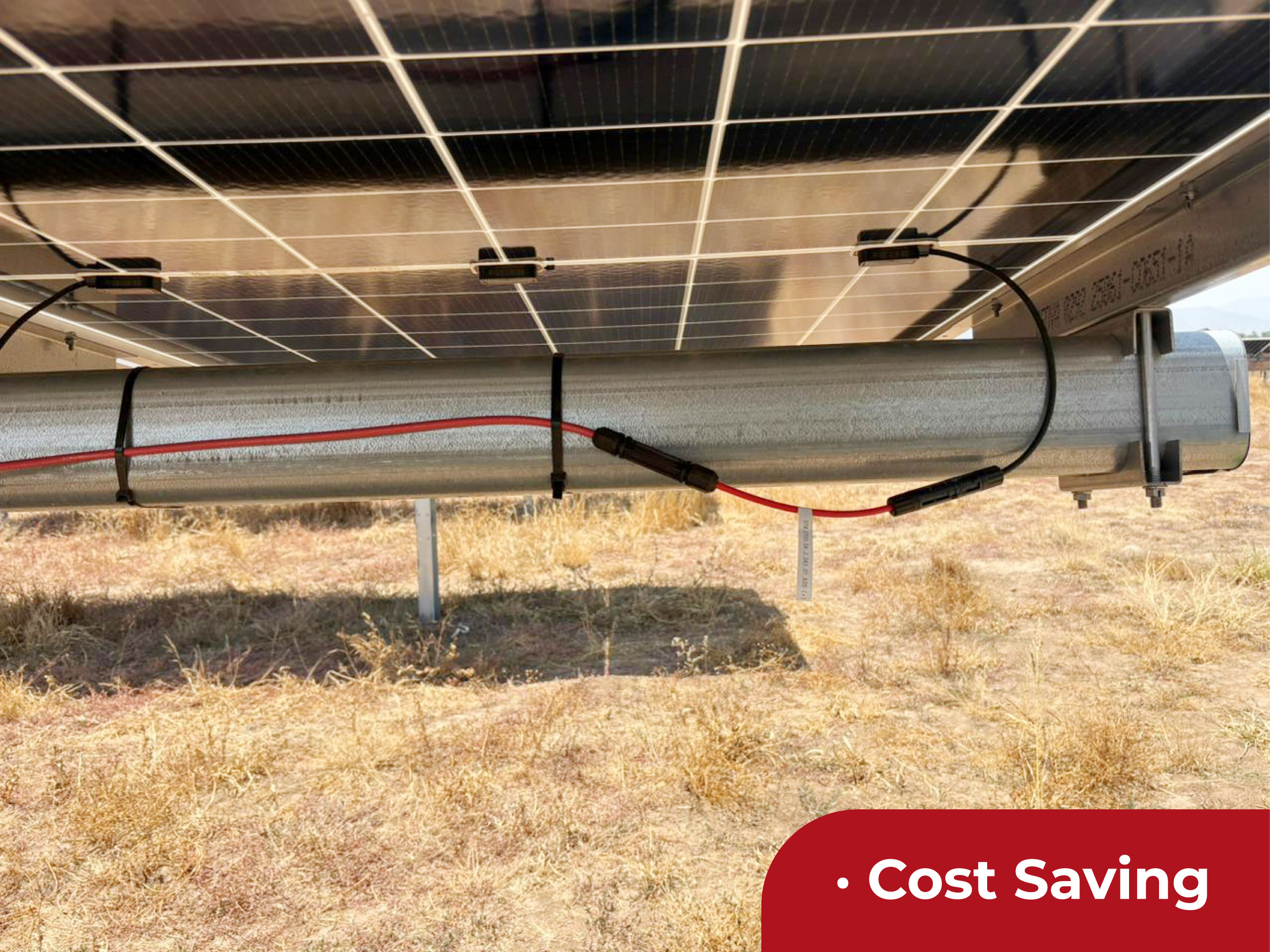
PV Las Violetas (Chile)
· 852 sets CU-AL connectors deployed
· 51 km aluminum cable installed
Reduced cable costs while ensuring stable long-term performance
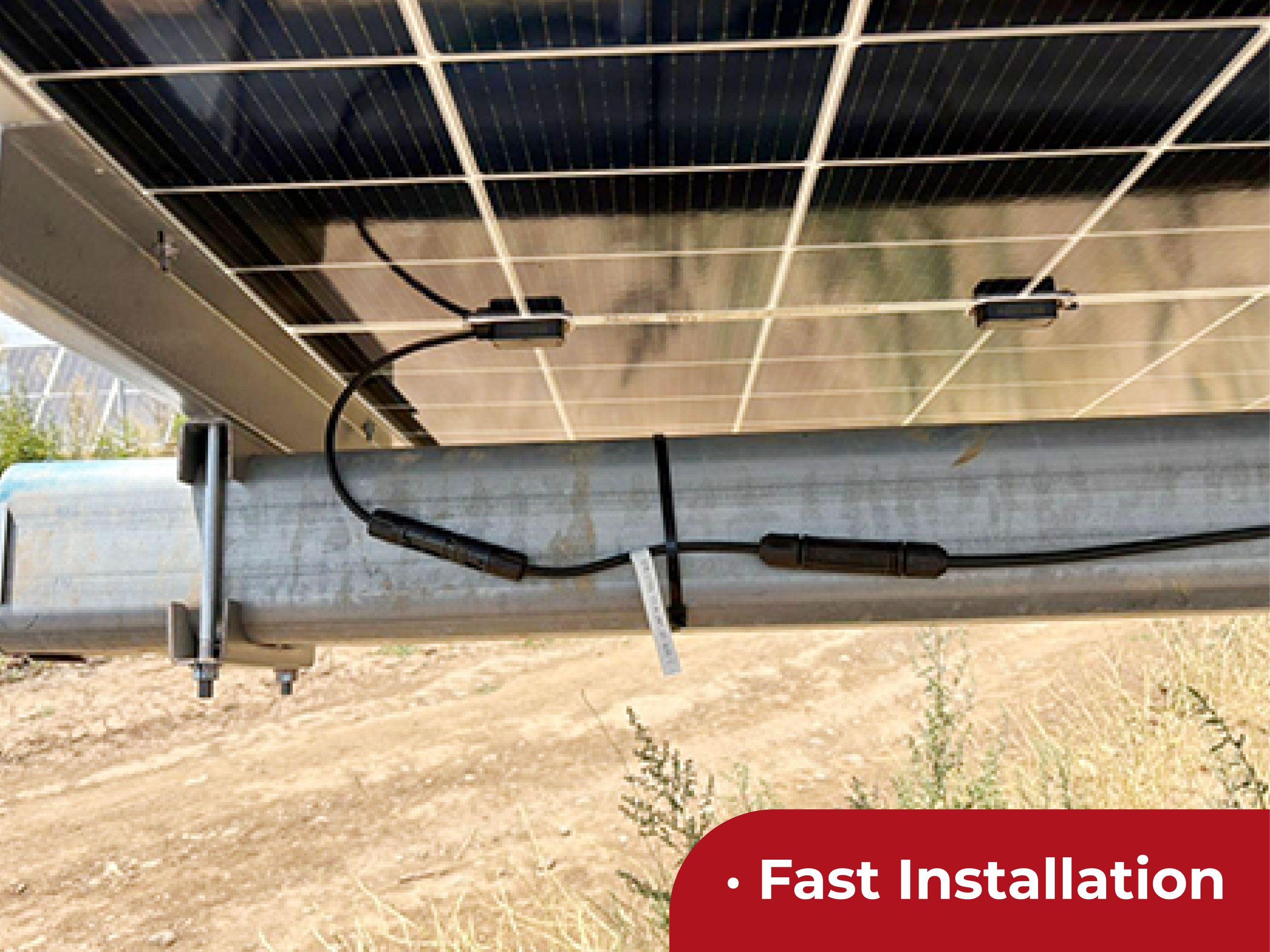
PV Los Quilos (Chile)
· 1,481 sets CU-AL connectors deployed
· 112 km aluminum cable installed
Improved installation efficiency with reliable copper-aluminum connections
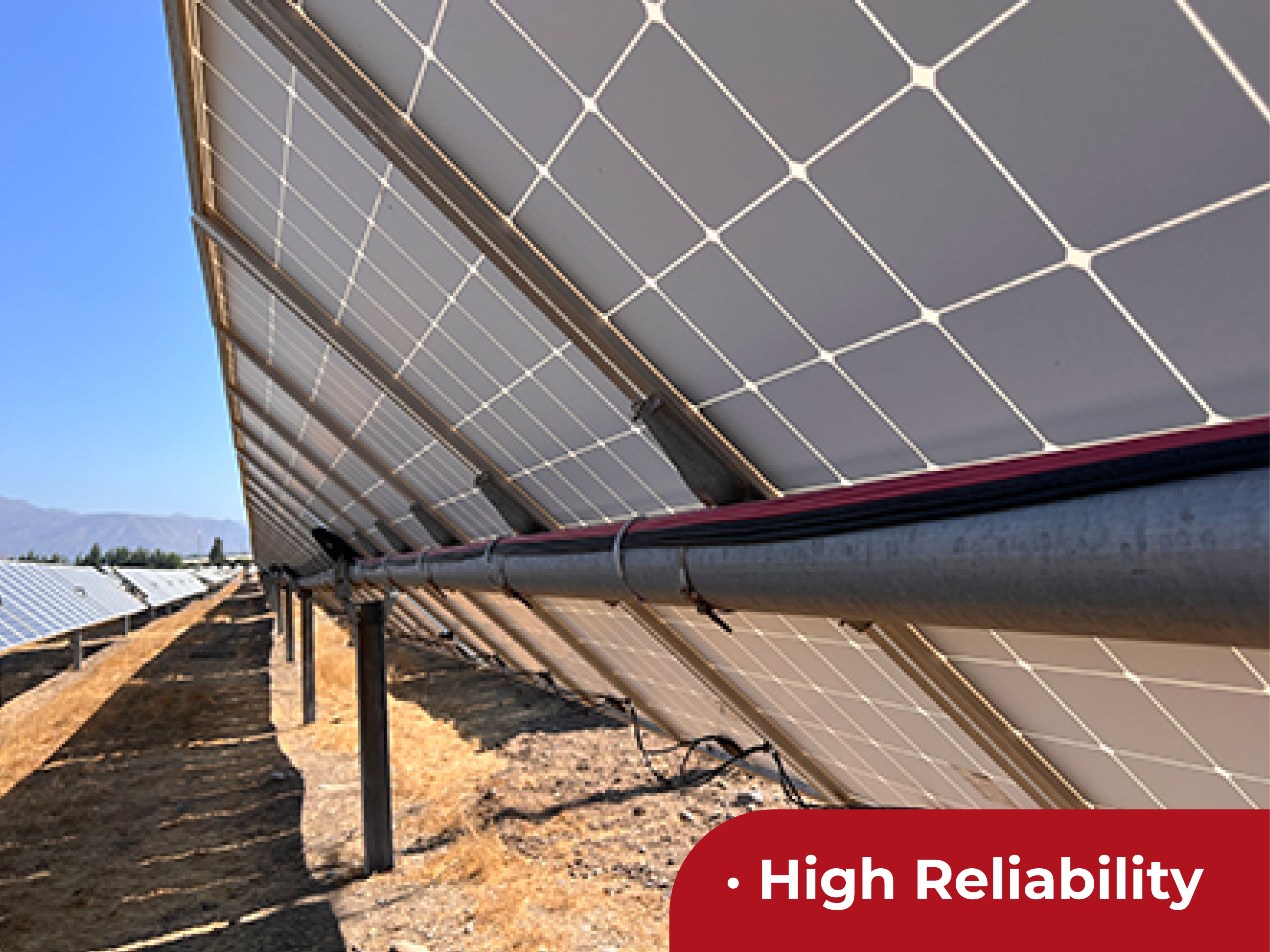
Chile Solar Farm
· 6,000 sets CU-AL connectors deployed
· 120 km aluminum cable installed
Enabled large-scale deployment with consistent connection quality
Why is aluminum used to replace copper?
FAQ on Copper to Aluminum Connection
How much cost savings can SUNKEAN’s copper-to-aluminum connection solution deliver?
Compared to a full-copper system, this solution reduces costs by up to 58%. In a 1 GW PV power plant project, the savings can exceed USD 2,750,000.
How is SUNKEAN's copper-to-aluminum conversion harness designed to ensure stability and safety?
The harness uses a "copper–aluminum–copper" structure: copper conductors on both ends with an aluminum conductor in the middle, plus a plastic connector housing. It supports high currents and allows quick on-site crimping at the aluminum end for simplified installation.
What welding process is used for the copper-to-aluminum joint, and how reliable is it?
The connection adopts friction welding (solid-state bonding), which operates at low temperatures to minimize thermal damage to the cable. Over 25 years, conductivity degradation is less than 0.5%. The tensile strength is verified through pull and impact testing.
How does the copper-to-aluminum connector maintain corrosion resistance in harsh environments?
The joint surface is protected by a three-layer gradient structure: diffusion layer, chemical nickel plating layer, and hot-dipped tin anti-oxidation layer. An electroplating hole design ensures uniform coating. In a 96-hour 5% salt spray test, no corrosion occurred in the contact area.
Quick Quote
Fill out the form below in 3 minutes to quickly obtain SUNKEAN's customized solutions.
Solutions for you to choose from
- 1solution
- Phone
Thank you for sharing this information, our solution customization team will contact you to provide you with more detailed solution information.
Fields marked with an asterisk are required
Products
Solution
Professional
Support
