




Why SUNKEAN
Advanced R&D
Global Certification
Stringent Quality Control
Flexibly Match Diverse Project Needs
Our Solution
SUNKEAN combines high-speed data interconnection and stable power transmission to build a dual-pillar connectivity architecture, delivering an integrated and reliable system-level connectivity solution.
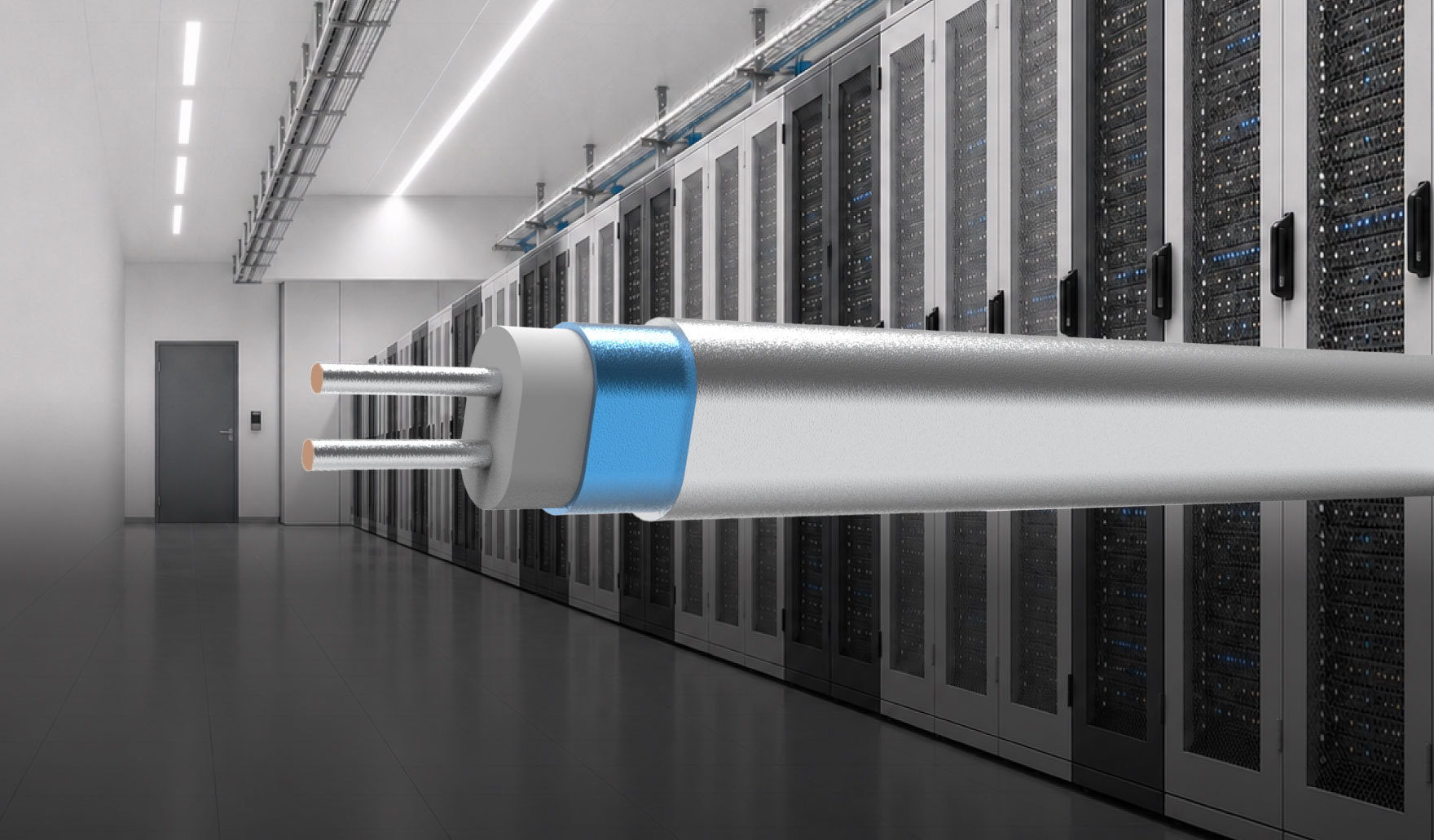
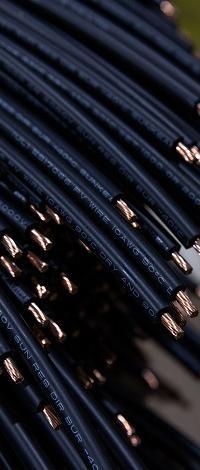
High-Speed Copper Cable
High Speed · Low Latency · Low Loss · Low Power Consumption
- Supports SAS 3.0/4.0, PCIe 4.0/5.0/6.0, and 112 Gbps / 224 Gbps high-speed platforms
- Supports 85Ω / 92Ω / 100Ω impedance configurations and multiple conductor sizes from 26 to 32 AWG
- Covers PCIe, I/O interconnect, storage, and networking applications
- Available in FEP/PE / PTFE / Foamed FEP / FEP+ FEP insulation structures
- AI server internal interconnects | NVMe storage | Rack-to-rack long patch cables | Storage backplanes | Expansion card cages | Server-to-switch connections
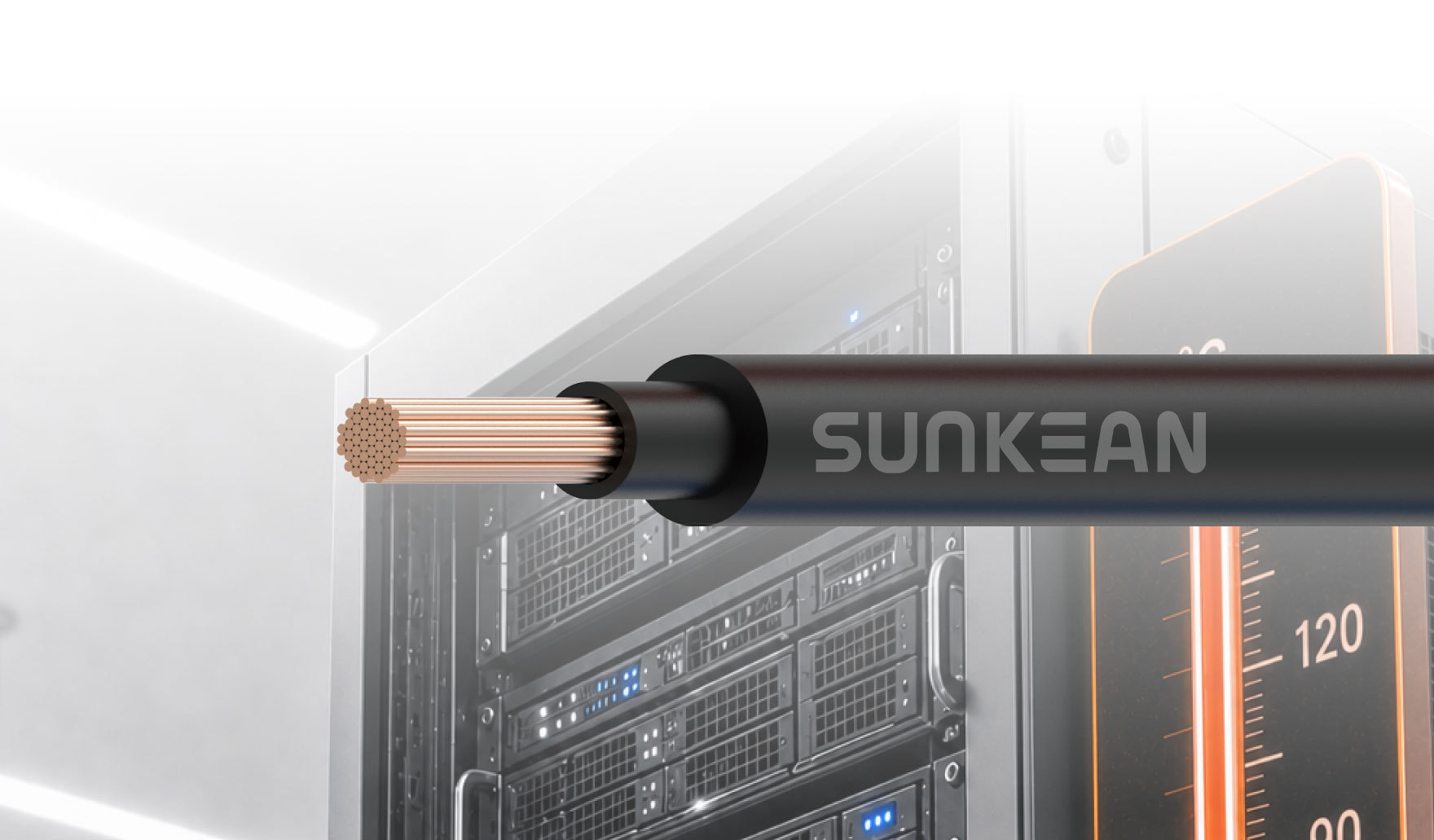
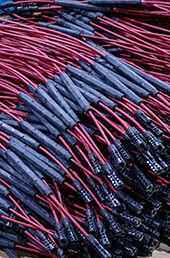
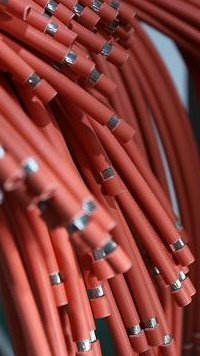
DC/AC Power Cable
High Flexibility · High Temperature Resistance · Ozone Resistance · Oxidation Resistance · Safe & Reliable
- Voltage ratings from 300V to 2000V
- Silicone rubber and specialized rubber insulation systems
- Equipment internal wiring | Data center connectivity | Industrial environments | Outdoor power supply
Manufacturing Excellence
Advanced Manufacturing Equipment
Rosendahl foaming extruders, SIKORA in-line monitoring, and 67 GHz testing enable precision control, real-time monitoring, and high-frequency validation.
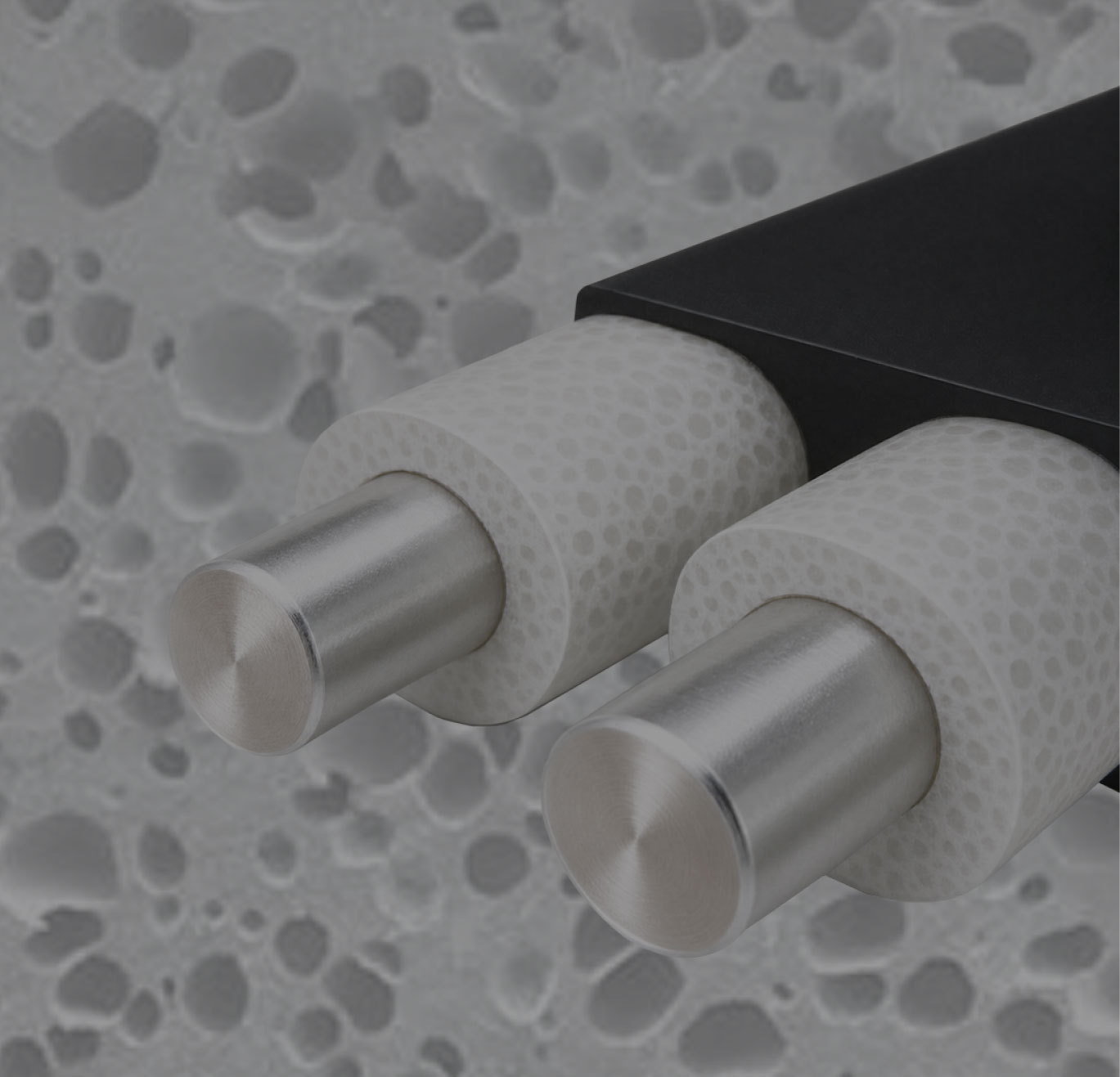
Precision Foaming Technology
Precision foaming and impedance control enable uniform insulation, low loss, and high signal integrity in reduced-diameter cable designs.
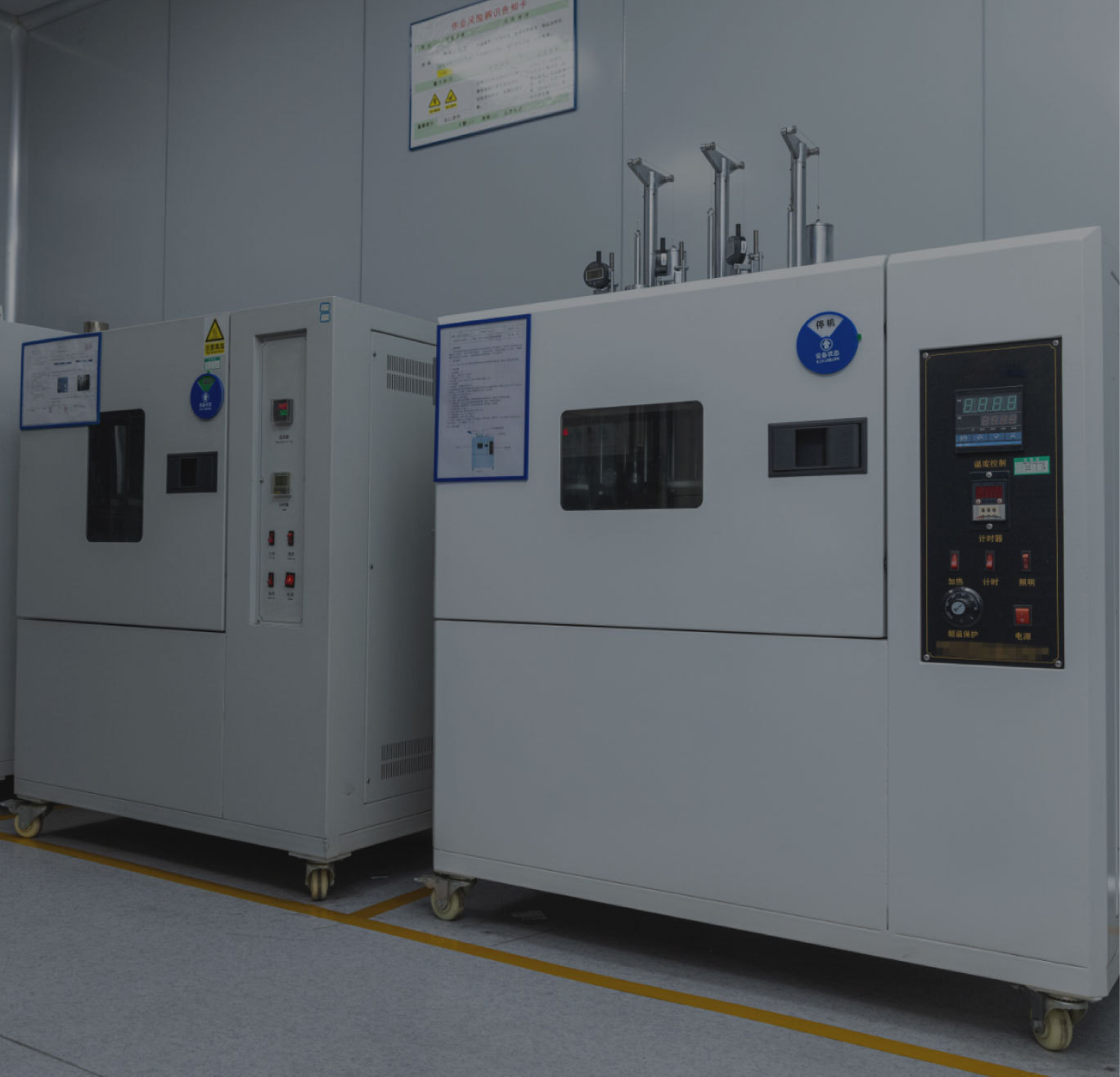
End-to-End Quality Control
Integrated control across extrusion, foaming, monitoring, taping, and high-frequency testing ensures consistent quality from start to finish.
Frequently Asked Questions
How much cost savings can SUNKEAN’s copper-to-aluminum connection solution deliver?
Compared to a full-copper system, this solution reduces costs by up to 58%. In a 1 GW PV power plant project, the savings can exceed USD 2,750,000.
How is SUNKEAN's copper-to-aluminum conversion harness designed to ensure stability and safety?
The harness uses a "copper–aluminum–copper" structure: copper conductors on both ends with an aluminum conductor in the middle, plus a plastic connector housing. It supports high currents and allows quick on-site crimping at the aluminum end for simplified installation.
What welding process is used for the copper-to-aluminum joint, and how reliable is it?
The connection adopts friction welding (solid-state bonding), which operates at low temperatures to minimize thermal damage to the cable. Over 25 years, conductivity degradation is less than 0.5%. The tensile strength is verified through pull and impact testing.
How does the copper-to-aluminum connector maintain corrosion resistance in harsh environments?
The joint surface is protected by a three-layer gradient structure: diffusion layer, chemical nickel plating layer, and hot-dipped tin anti-oxidation layer. An electroplating hole design ensures uniform coating. In a 96-hour 5% salt spray test, no corrosion occurred in the contact area.
