




Solar Energy in 2026: Global Capacity Growth, Market Segments, and the Critical Role of Connection Infrastructure
SOLAR ENERGY MARKET & APPLICATION INSIGHTS
Global solar PV capacity surpassed 2,000 GW in 2025, with projections for 2026 suggesting another record-breaking year. Behind every gigawatt of clean electricity is a web of engineered components—and a critical but often overlooked element: the connection infrastructure that ties everything together. This article maps where solar growth is happening, which segments are expanding fastest, and why connection quality matters across every scale of deployment.
Solar's 2026 Moment: A Global Capacity Snapshot
The solar industry is no longer a niche clean energy story. China installed over 300 GW in 2024 alone, the United States is accelerating utility-scale deployments, and emerging markets across Southeast Asia, the Middle East, and Africa are adding solar at a pace unimaginable a decade ago. Three structural forces sustain this momentum: cost competitiveness with utility-scale LCOE below $0.030/kWh in sun-rich regions; battery-integrated solar removing intermittency concerns; and corporate power purchase agreements driving demand across all segments.
Three Segments, Three Sets of Connection Demands
Utility-Scale Solar
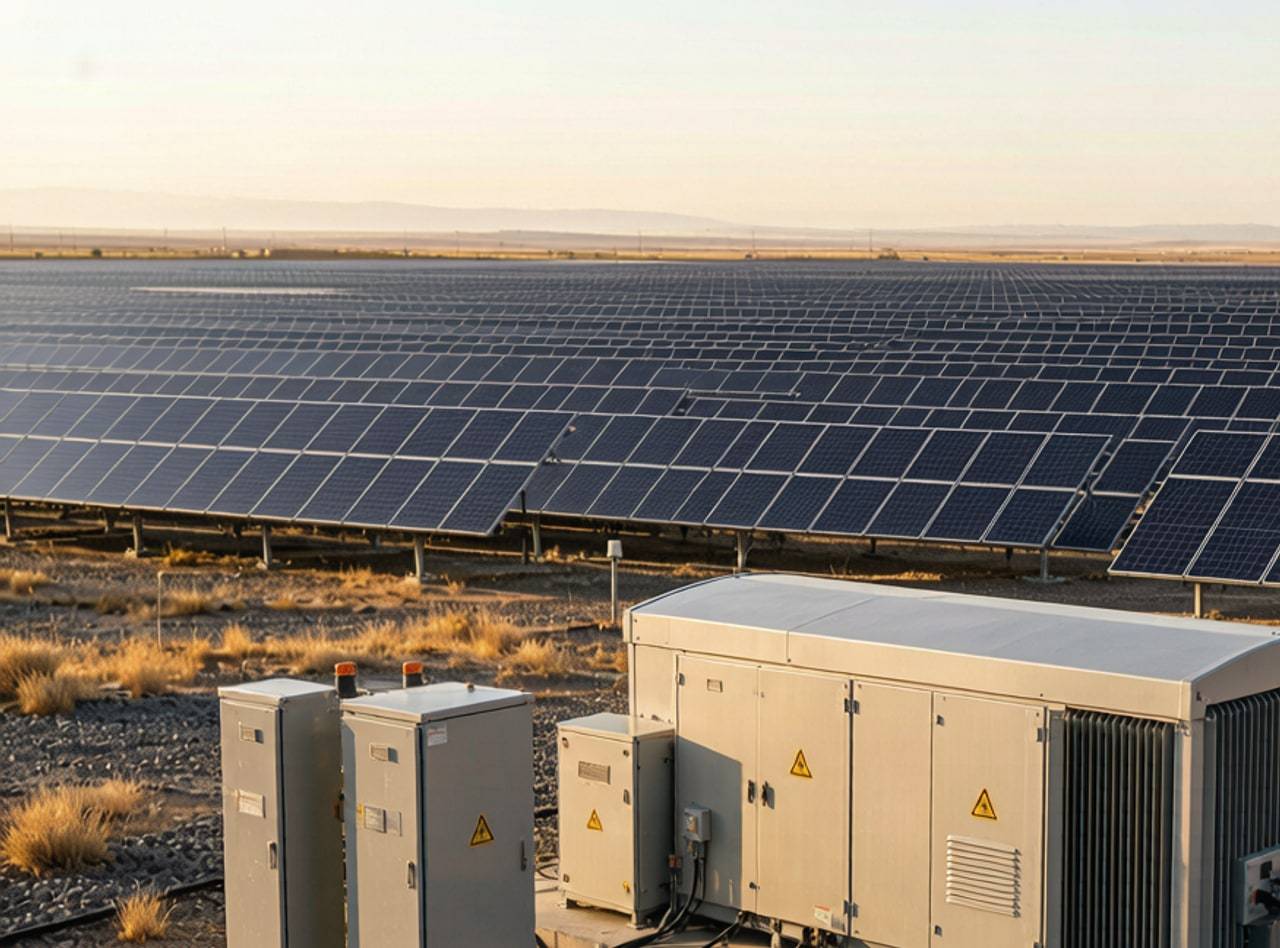
Ground-mounted solar farms from 50 MW to multi-GW are the headline-grabbers. These are investor-owned or utility-owned assets with 25-year operating lives and demanding performance warranties. Every electrical joint—from DC string connections at the array to AC terminations at the substation—must survive decades of thermal cycling, UV exposure, and temperature extremes. Connection failures at this scale are not minor inconveniences; they are generation losses measured in thousands of dollars per incident.
Commercial & Industrial Solar
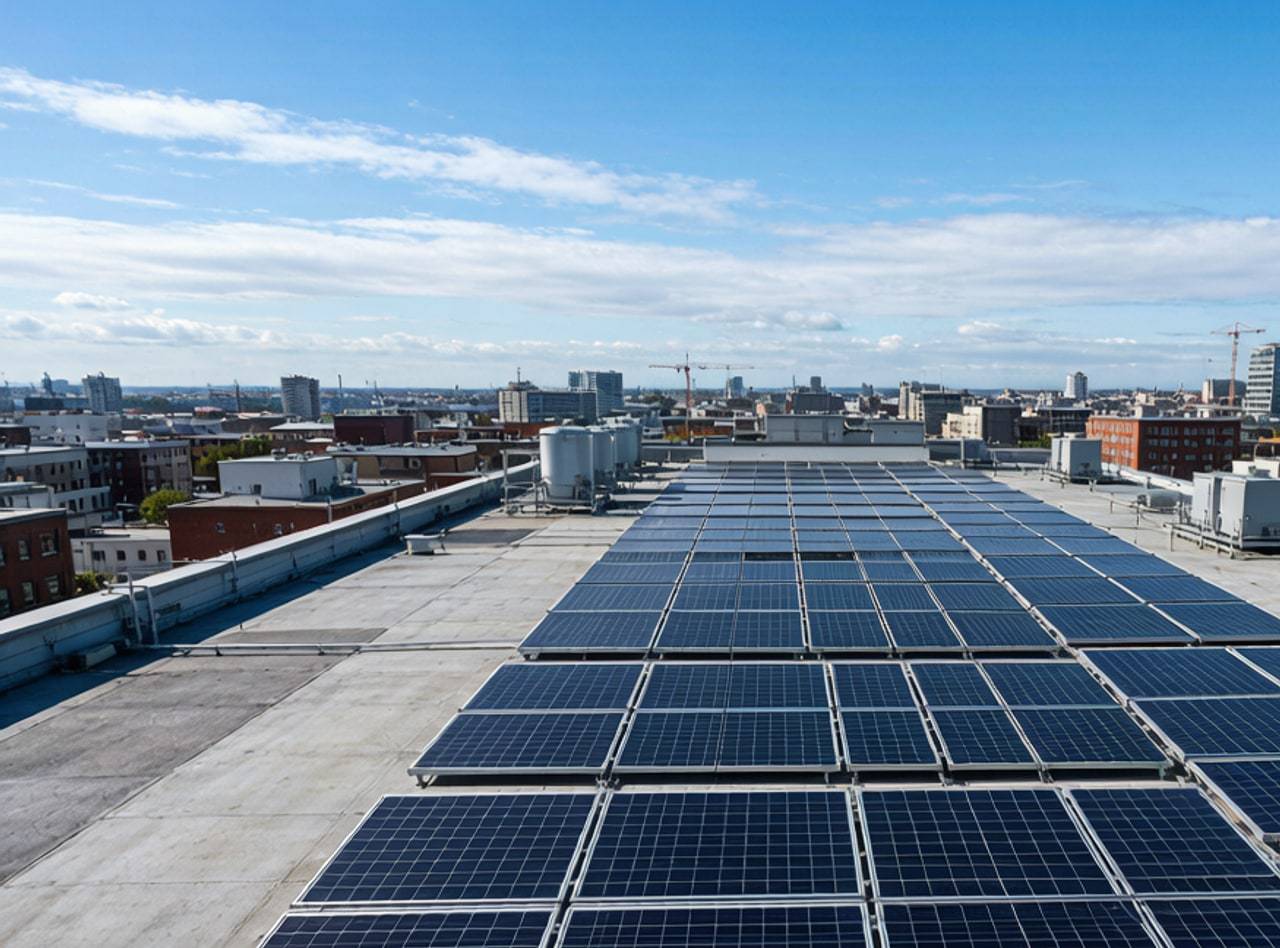
Factory rooftops, warehouse carports, and office building facades are being converted into generation assets under long-term PPA structures. This segment brings different challenges: limited installation space, structural weight constraints, and the need to work around existing building infrastructure. Connection solutions here must balance reliability with installation speed—every additional labor hour on a rooftop translates directly into project cost.
Residential Solar
Residential rooftop solar has reached mass adoption in markets across Australia, the United States, Europe, and parts of Asia. Modern residential systems of 5–15 kW are installed by high-volume installers optimizing for speed and cost. At this scale, plug-and-play connection solutions and pre-assembled wiring harnesses drive installer preference—components must be simple enough for rapid deployment while meeting the safety and durability standards required for domestic electrical installation.
The Connection Thread Across All Segments
Despite their differences, every solar application shares a common technical requirement: reliable electrical connections are non-negotiable for system performance and longevity.
- Galvanic compatibility. Copper-to-aluminum transitions appear across PV string wiring, combiner boxes, and inverter AC connections. Managing these transitions correctly prevents the resistance growth and safety hazards that arise from galvanic corrosion over a 25-year operating life.
- Environmental resilience. UV-resistant cable jackets, sealed connectors, and corrosion-resistant hardware are baseline requirements for outdoor solar installations. Materials must be selected for the specific environment—desert heat, coastal salt air, or alpine cold.
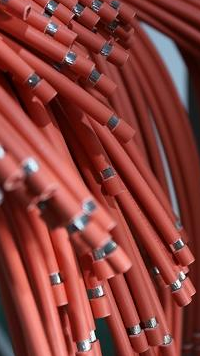
- Installation quality control. The transition from labor-intensive construction to industrialized deployment is driving demand for pre-assembled, pre-tested connection solutions that reduce on-site variability and accelerate commissioning timelines.
Frequently Asked Questions
What is driving the rapid growth of C&I solar in 2026?
C&I solar growth is driven by falling system costs, attractive corporate PPA pricing, and growing ESG procurement mandates. Companies with significant electricity consumption are finding that on-site solar plus battery storage reduces exposure to grid price volatility while meeting sustainability commitments.
Why does copper-aluminum compatibility matter in solar PV systems?
Solar PV systems use aluminum conductors in many string and array cables because aluminum is cost-effective for long cable runs. However, most electrical equipment—inverters, transformers, protection devices—uses copper terminations. Where aluminum and copper meet, galvanic corrosion can develop without proper bimetallic handling, leading to increased resistance, heat generation, and connection failure. Using certified transition connectors and appropriate anti-oxidation treatment prevents this over the 25-year plant life.
How do connection issues affect solar project financing?
Project finance lenders typically require availability guarantees tied to capacity factor covenants. Connection failures directly reduce the energy yield of a plant, potentially triggering financial obligations. Independent engineers increasingly scrutinize connection specifications, installation quality records, and O&M protocols as part of technical due diligence for solar project financing.
Conclusion
Solar energy's extraordinary growth in 2026 is creating opportunity across the full project lifecycle. For stakeholders navigating this market, connection infrastructure is a thread that runs through every segment. Specifying the right connection solutions, enforcing installation quality, and building connection reliability into O&M planning are practical steps that protect project economics and support long-term asset performance at every scale.