




How Connection Quality Impacts BESS Efficiency and Lifespan
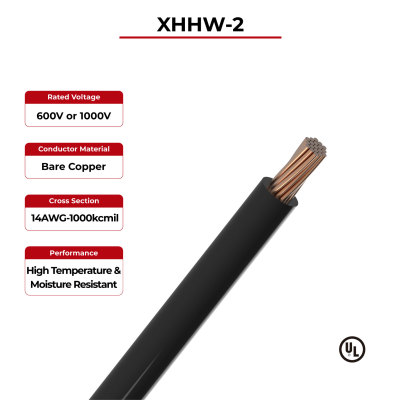
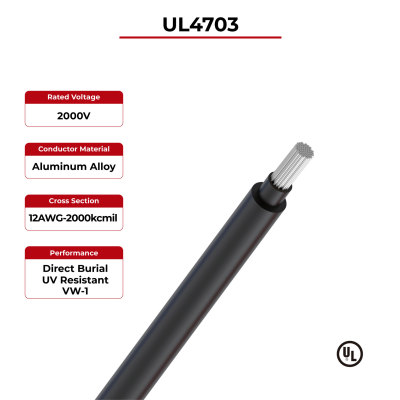
ENERGY STORAGE & BESS CONNECTION SOLUTIONS A utility-scale battery energy storage system (BESS) is only as reliable as its weakest connection. Cell manufacturers invest heavily in electrochemical performance, yet thousands of terminal joints, busbar links, and power cables quietly determine whether a 100 MWh asset delivers its rated round-trip efficiency for 15 years or degrades into a maintenance problem within two. This article explains how connection quality drives efficiency and lifespan, what actually goes wrong in the field, and the engineering practices that keep high-current interfaces stable over decades of daily cycling. Every joule that crosses a resistive interface becomes heat instead of stored energy. In a system that charges and discharges twice a day, a modest increase in connection resistance compounds into a measurable efficiency loss that repeats thousands of times over the asset's life. Beyond lost energy, elevated resistance raises local temperature, accelerates insulation aging, and forces protective devices to work harder. In practice, connection quality is one of the few variables a project owner can control at design time that affects both short-term efficiency and long-term lifespan at the same time. Consider the economics. A 100 MWh system operating at a 92% round-trip efficiency will recover nearly its full capacity on every cycle. Drop that figure to 90% through avoidable resistive losses and the owner forfeits megawatt-hours every single day, for years. Connection engineering is therefore not a detail; it is a revenue decision expressed in terminals and busbars. Keep every high-current joint within its rated tightening torque, surface finish, and contact pressure. A loose or corroded terminal is not a minor issue—it is a hot spot that will find you on the hottest day of the year. BESS failures rarely announce themselves in a single dramatic event. They begin as small, measurable anomalies. The most common failure zones are consistent across installations: At the very base of the stack, cell terminals connect to busbars that aggregate current across the pack. These joints see frequent thermal cycling as the pack charges and discharges. Over-torquing or under-torquing, mismatched contact surfaces, and the absence of appropriate anti-oxidation treatment all shorten their useful life. Where a battery pack connects to the cluster-level DC bus, the currents are higher and the consequences of a bad joint more severe. Loose connections here can arc under load, generating heat that is difficult to dissipate inside an enclosed cabinet. The high-current DC cables that carry power between the battery cluster and the PCS (power conversion system) must be sized for continuous current and terminated with the correct lug type, crimp tool, and torque. Undersized cables or poorly crimped lugs are a leading cause of field-reported connection failures. Contact resistance is the measurable quantity that ties connection quality to system performance. When two conductive surfaces meet, the true contact area is far smaller than the apparent one. Micro-roughness means current funnels through scattered high spots, and the resistance of those spots determines the joint's behavior. Several factors control contact resistance in a BESS environment: The discipline of building reliable BESS connections combines material selection, correct tooling, and verifiable installation practice. Choose cables and busbars rated for the continuous current with margin for ambient temperature and derating. Sizing for the worst case, not the average, avoids chronic overheating. Use lugs and connectors designed for the specific conductor and current class, with appropriate plating and a crimp tool calibrated for the exact lug range. Apply the documented tightening torque and mark each joint after installation. Marking makes future re-inspection and thermal re-torque straightforward and auditable. Where copper meets aluminum, use purpose-built transition connectors and appropriate surface treatment to suppress galvanic corrosion across the entire service life. Schedule thermal imaging after commissioning and at regular intervals. A joint running hotter than its neighbors is the earliest warning of a resistance problem. Persistent efficiency loss often traces back to resistive connections. Small increases in contact resistance become recurring heat losses on every charge-discharge cycle. A thermal survey of high-current joints is the fastest way to identify hotspots. Not always. Copper offers lower resistance and easier termination, but aluminum is lighter and more cost-effective for long high-current runs. The real requirement is a properly engineered transition where the two metals meet, so that galvanic corrosion cannot raise resistance over time. Many operators re-torque critical joints after the first weeks of operation, when early thermal cycling has settled the connection, then at scheduled maintenance intervals. Thermography between re-torques catches developing problems early. Connection quality is the quiet variable that links BESS efficiency, safety, and lifespan. Every terminal, busbar, and cable joint is an opportunity to lose energy or to preserve it. By sizing conductors correctly, terminating with certified tooling, controlling torque, protecting bimetallic transitions, and verifying with thermography, project owners can protect the financial performance of their storage asset for the full duration of its operating life.Why Connections Decide a BESS Return on Investment
The Rule of Thumb
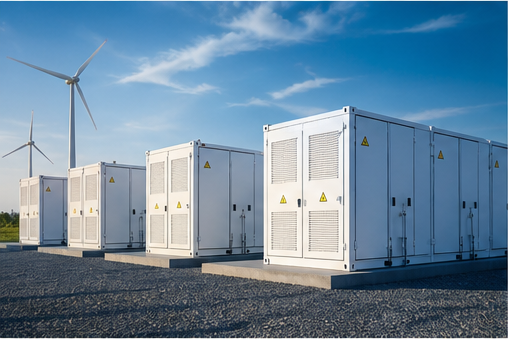
Where Connection Failures Actually Occur
1. Cell-to-Busbar Terminals
2. Pack and Cluster Interfaces
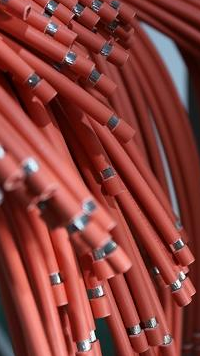
3. Power Cables and Termination Points
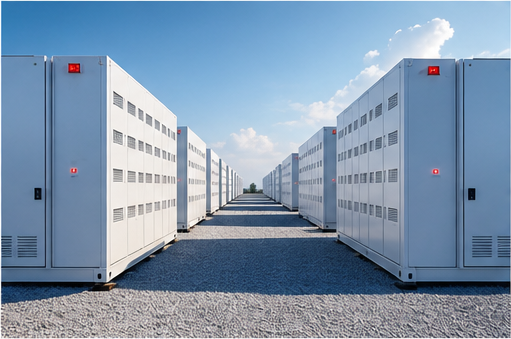
How Contact Resistance Drives Efficiency and Heat
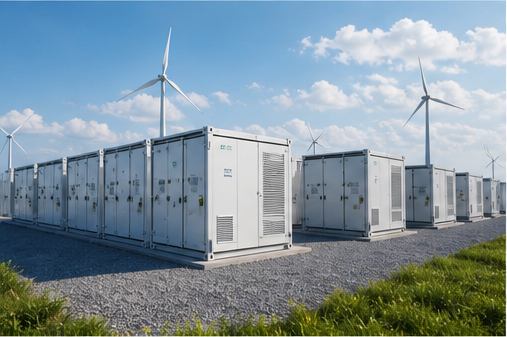
Designing Connections That Last Fifteen Years
Right Conductor, Right Size
Certified Terminals and Lugs
Torque Control and Marking
Bimetallic Protection
Verify With Thermography
Frequently Asked Questions
Why does my BESS show a small but persistent efficiency loss?
Is copper always better than aluminum for BESS connections?
How often should high-current joints be re-torqued?
Conclusion