




Designing Collector Cable Systems for Utility-Scale Solar Farms: From Array Layout to Prefabricated Trunk Harness
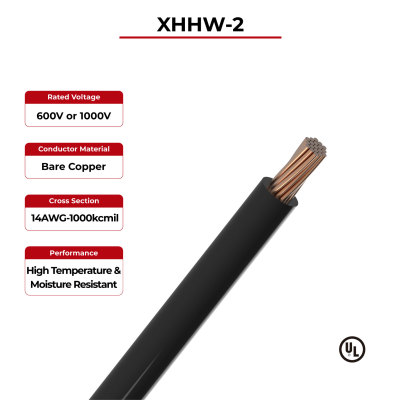
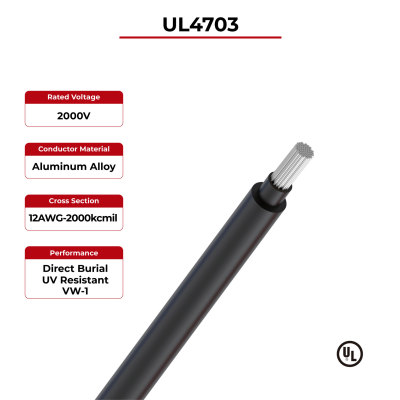
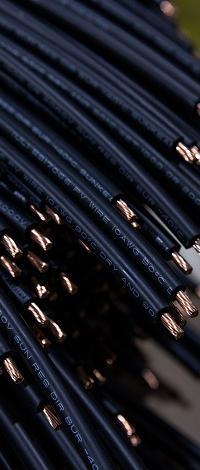
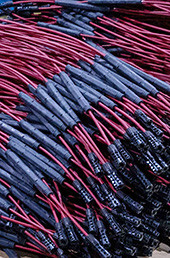
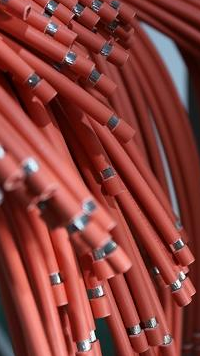
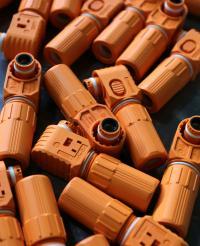
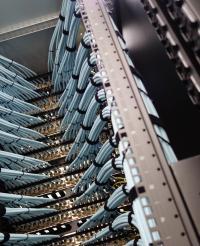
COLLECTOR CABLE SYSTEMS & PREFABRICATED TRUNK HARNESS Behind every utility-scale solar farm that reliably feeds power into the grid lies a network few people ever see. The collector cable system—the medium-voltage arteries that gather DC energy from thousands of array strings, carry it to the inverter, and then deliver AC power through trunk lines to the substation—is one of the most engineering-intensive parts of a PV plant. Get it right and your farm runs for 25 years with minimal downtime. Get it wrong and you face hot spots, voltage drops, and costly excavations. This guide walks through the architecture of collector cable systems and explains why prefabricated trunk harnesses are changing how large solar farms are built. A modern solar farm is, electrically speaking, a three-layer network. Understanding these layers is the first step toward sensible design. Modules are wired in series into strings, and strings are combined in combiner boxes or string inverters. At this level the voltages are high—often 1000 V or 1500 V DC—and the cable runs are short but numerous. Correct conductor sizing here prevents resistive losses that would otherwise quietly eat into your yield every single day. From the combiner boxes, power travels through collector cables to the central inverter or to a power station skid. This is where the term "collector line" comes from. In large plants, these runs can be hundreds of meters, and they represent a meaningful share of total installed cable length. After inversion, the AC output is stepped up by pad-mounted transformers to a medium voltage (typically 33–35 kV in many markets). The trunk cables—also called main feeder lines—then transport this power to the collection substation, where it connects to the utility grid. This trunk layer is the backbone of the entire farm. Because each layer has different voltage, current, and environmental demands, no single cable specification can serve all three. That is precisely why thoughtful system-level design matters more than choosing any individual component in isolation. When engineers lay out a collector system, a handful of decisions dominate the outcome. Here are the ones that have the greatest impact on both cost and long-term reliability. Copper offers lower resistance and is easier to terminate, but aluminum is significantly lighter and more cost-effective for long trunk runs. Many modern farms use copper for short, high-stress DC segments and aluminum for the long MV trunk lines. The transition points between the two metals must be handled with care to avoid galvanic corrosion—a topic SUNKEAN has covered in depth in its dedicated guide on copper-aluminum transition connectors. Voltage drop is the silent killer of solar revenue. Every extra volt lost along a collector line is lost energy you can never recover. Good practice is to model the worst-case high-temperature scenario, because cable resistance rises as ambient temperature climbs on a sunny day—exactly when the farm is producing at its peak. Undersized cables that look fine in a spreadsheet can cause measurable yield losses over a 25-year life. Direct burial is the most common approach for collector lines, but it complicates future maintenance. Trenching depth, thermal resistivity of the backfill, and spacing between parallel cables all affect how much current a cable can safely carry. In rocky or compacted soils, ducted installation adds upfront cost but makes replacement far easier. Where cables emerge above ground—at combiner boxes, transformer pads, and along racking—they are exposed to intense sunlight for decades. Jacket materials must resist UV degradation, rodents, and the thermal cycling that comes with day-night swings. Specifying outdoor-rated jackets is not an optional luxury; it is a prerequisite for a 25-year asset. Traditionally, every connection inside a solar farm is made on site: cable is pulled, cut, stripped, and terminated by crews working in the field. This approach is flexible but slow, and it puts quality in the hands of whoever happens to be on site that day. The prefabricated trunk harness flips this model on its head. A prefabricated trunk harness is a pre-assembled bundle—cables, connectors, glands, and identification—manufactured to exact lengths in a controlled factory environment, then shipped to the project ready to install. Instead of days of field termination, crews simply route the harness and click the connectors into place. The benefits are substantial: Adopting a prefabricated approach does not mean abandoning engineering judgment. The layout of trunk lines still demands careful thought about several practical factors. Trunk lines should follow the shortest practical path between transformer pads and the substation, but the ideal path is not always the shortest one. Existing services, drainage, terrain, and future expansion plans all influence the route. Survey-grade mapping of underground utilities is essential before any trench is opened. A single continuous run may be impractical to manufacture, transport, and install. Breaking the trunk into manageable prefabricated segments—each with factory-terminated ends and field-connectable joints—balances factory quality with on-site flexibility. Segment length is driven by transport constraints, trench geometry, and the spacing of joint pits. In a large farm, misidentifying a trunk line during commissioning can delay energization by days. Factory-applied, durable markers on every segment—combined with clear as-built documentation—reduce commissioning time and simplify future maintenance. The solar industry is not standing still. Higher module efficiency, 1500 V DC architectures, and repowering cycles all demand collector systems that can adapt. Two trends deserve particular attention when you design today for tomorrow. The collector cable connects string inverters or combiner boxes to the central inverter or transformer. The trunk cable is the main feeder that carries aggregated power from the transformers to the substation. In short: collectors gather, trunks transmit. Because the critical termination work is done in a controlled factory with consistent tooling, torque, and inspection—rather than in the field where quality depends on the individual technician and the weather. Consistent, repeatable terminations directly translate into fewer connection failures. For short, high-stress DC segments where space is tight, copper is often worth the premium. For long MV trunk runs where weight and cost dominate, aluminum is usually the better choice. Wherever the two metals meet, use a proper transition solution to avoid galvanic corrosion. Collector cable systems are the unsung backbone of every utility-scale solar farm. Whether you are optimizing voltage drop, choosing conductor material, or deciding between field termination and prefabricated trunk harnesses, the principle is the same: invest in system-level design and factory-quality execution up front, and the 25-year payoff in reliability and yield will more than justify it. For projects where schedule speed and consistent quality matter, prefabricated trunk harness solutions are rapidly becoming the default—and for good reason.Anatomy of a Utility-Scale Collector Cable System
1. The Array String Layer (DC)
2. The Collection Layer (DC or AC)
3. The Trunk / Main Line Layer (MV AC)
Key Design Decisions for Collector Cables
Conductor Material: Copper vs. Aluminum
Sizing for Voltage Drop
Cable Laying Method
Protection and UV Resistance
The Rise of the Prefabricated Trunk Harness
Planning Considerations for Trunk Line Layout
Route Planning
Segmenting the Harness
Cable Identification and Documentation
Future-Proofing Collector Systems
Frequently Asked Questions
What is the difference between a collector cable and a trunk cable?
Why are prefabricated trunk harnesses more reliable?
How do I choose between copper and aluminum for collector lines?
Conclusion
Related Articles