



Common Causes of PV Cable Failure: How to Prevent Aging, Cracking, and Water Ingress
As photovoltaic systems continue expanding into utility-scale solar plants, deserts, coastal regions, and rooftop installations, cable reliability has become increasingly important for long-term system safety and performance.
PV cables operate continuously under harsh outdoor conditions including UV radiation, temperature fluctuations, humidity, mechanical stress, and chemical exposure. Once cable failure occurs, it may lead to power loss, insulation breakdown, system downtime, or even fire risks.
Among all cable-related issues in solar projects, aging, cracking, and water ingress are some of the most common causes of failure. Understanding why these problems occur — and how to prevent them — is critical for ensuring the long service life of a photovoltaic system.
Why PV Cable Reliability Matters?
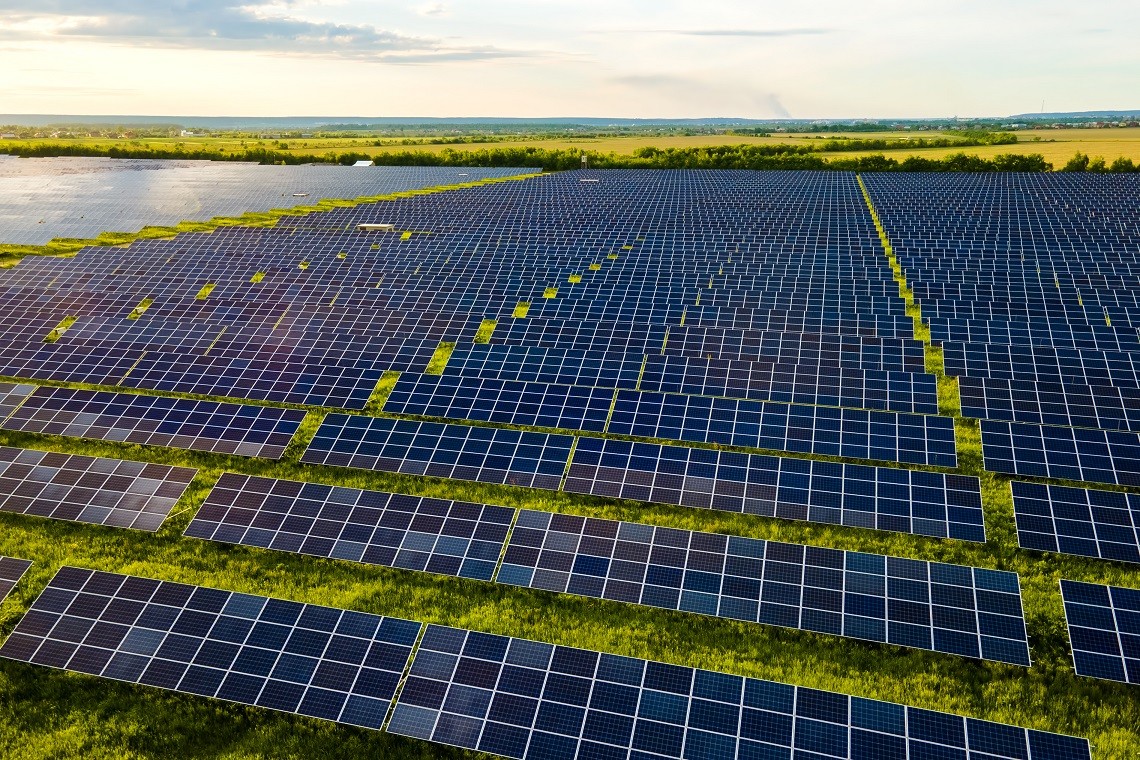
Photovoltaic cables are the “blood vessels” of a solar power system, responsible for transmitting DC power between modules, combiner boxes, inverters, and energy storage equipment.
Unlike ordinary electrical cables, solar cables are exposed to outdoor environments for more than 25 years. This means they must maintain stable electrical and mechanical performance throughout decades of UV exposure, heat cycling, rain, wind, and environmental aging.
Poor-quality cables or improper installation can significantly shorten system lifetime and increase maintenance costs.
Common Causes of PV Cable Failure
1️⃣ UV Aging and Thermal Degradation
Long-term exposure to sunlight is one of the primary reasons PV cables deteriorate over time. Ultraviolet radiation gradually breaks down polymer materials in cable insulation and jackets, causing them to harden, fade, or lose flexibility.
At the same time, continuous high operating temperatures accelerate thermal aging. In rooftop installations or desert solar plants, cable surface temperatures can become extremely high during summer operation. Repeated heat cycles can weaken insulation performance and eventually lead to cracking.
Typical Symptoms:
Jacket discoloration
Hardening or brittleness
Reduced flexibility
Surface cracking
Insulation degradation
How to Prevent It
To reduce UV and thermal aging risks, solar projects should use high-quality PV cables certified for outdoor photovoltaic applications, such as TÜV-certified H1Z2Z2-K or 62930 IEC 131 cables.
Cross-linked insulation materials with excellent UV resistance and thermal stability are especially important for long-term outdoor use.
Proper cable routing and ventilation can also help reduce excessive heat accumulation.
2️⃣ Cable Cracking and Mechanical Damage
Cable cracking is another major cause of PV system failure. Cracks may appear on the outer sheath or insulation layer due to environmental stress, improper bending, mechanical tension, or low-quality materials.
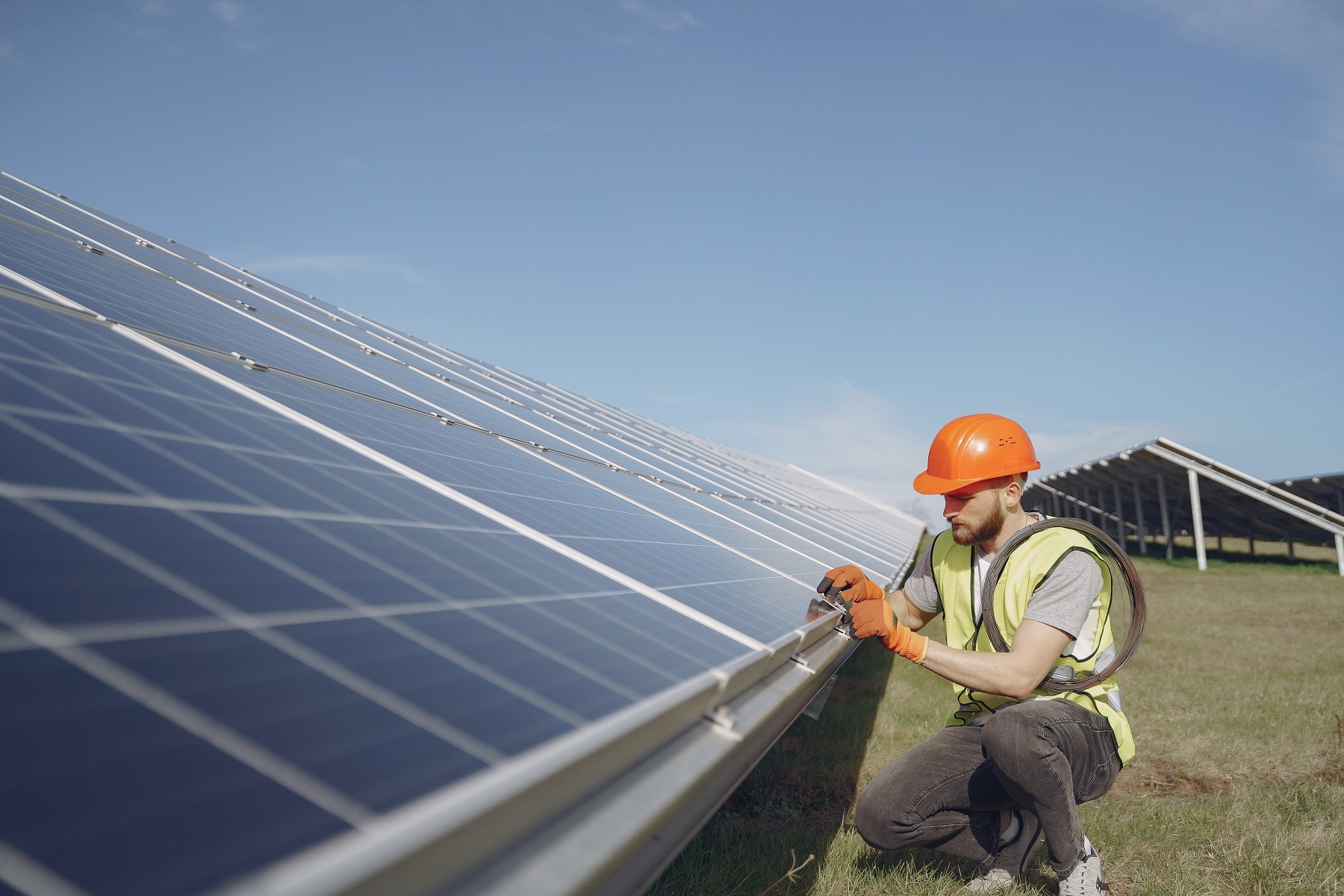
In cold climates, cables with insufficient flexibility may crack during installation or thermal contraction. In large-scale solar projects, excessive pulling force during installation can also damage the cable structure internally.
Rodents and external abrasion are additional risks in outdoor environments.
Typical Causes:
Excessive bending radius
Mechanical pulling during installation
Poor flexibility at low temperatures
Long-term vibration or movement
Abrasion against metal structures
How to Prevent It:
Using proper cable management systems, cable clips, and protective conduits can also minimize abrasion and movement-related damage.
For harsh environments, cables with enhanced abrasion resistance and rodent protection may be necessary.
3️⃣ Water Ingress and Moisture Penetration
Water ingress is one of the most dangerous cable failure mechanisms because moisture can gradually penetrate into the conductor and insulation system without immediate visible signs.
Once water enters the cable, it may increase insulation resistance loss, accelerate corrosion, and eventually cause electrical failure or short circuits. Coastal solar plants and humid tropical regions are particularly vulnerable to moisture-related problems.
Water ingress often occurs at cable terminations, damaged insulation points, or poorly sealed connectors.
Common Risks:
Improper connector installation
Damaged cable jackets
Poor sealing performance
Long-term humid environments
Condensation inside conduits
How to Prevent It:
Using high-quality waterproof connectors and properly sealing all cable terminations are critical steps. Installers should carefully inspect cable jackets before installation and avoid damaging insulation during handling.
PV cables designed with excellent moisture resistance and weatherproof materials provide better long-term reliability in humid outdoor environments.
Regular inspection and preventive maintenance can also help identify early signs of moisture penetration before major failures occur.
The Importance of High-Quality PV Cable Materials
The performance of photovoltaic cables depends heavily on material quality. Advanced insulation compounds and sheath materials can significantly improve resistance to UV radiation, heat, oxidation, and environmental aging.
Modern high-performance solar cables are typically designed with:
Halogen-free materials
UV-resistant compounds
Ozone resistance
Flame-retardant properties
Excellent thermal stability
Long-term outdoor durability
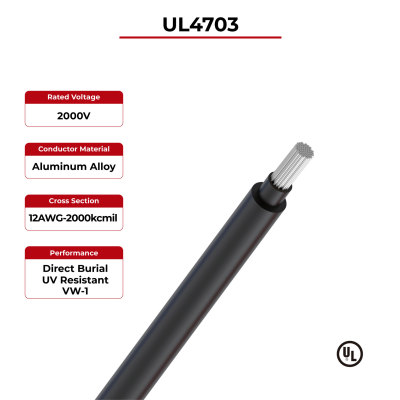
For utility-scale solar projects, aluminum conductor PV cables are also becoming increasingly popular due to their lower cost and lighter weight. However, reliable Cu-Al transition solutions and proper connection technologies are essential to ensure stable long-term performance.
Why Installation Quality Is Equally Important?
Even the best PV cable can fail if installation practices are poor. Many field failures are caused not by the cable itself, but by improper handling, excessive bending, insufficient waterproofing, or incorrect connector assembly.
Professional installation procedures should include:
Proper cable routing
Correct bending radius
Reliable strain relief
Waterproof sealing
Certified connectors and terminals
Proper crimping techniques
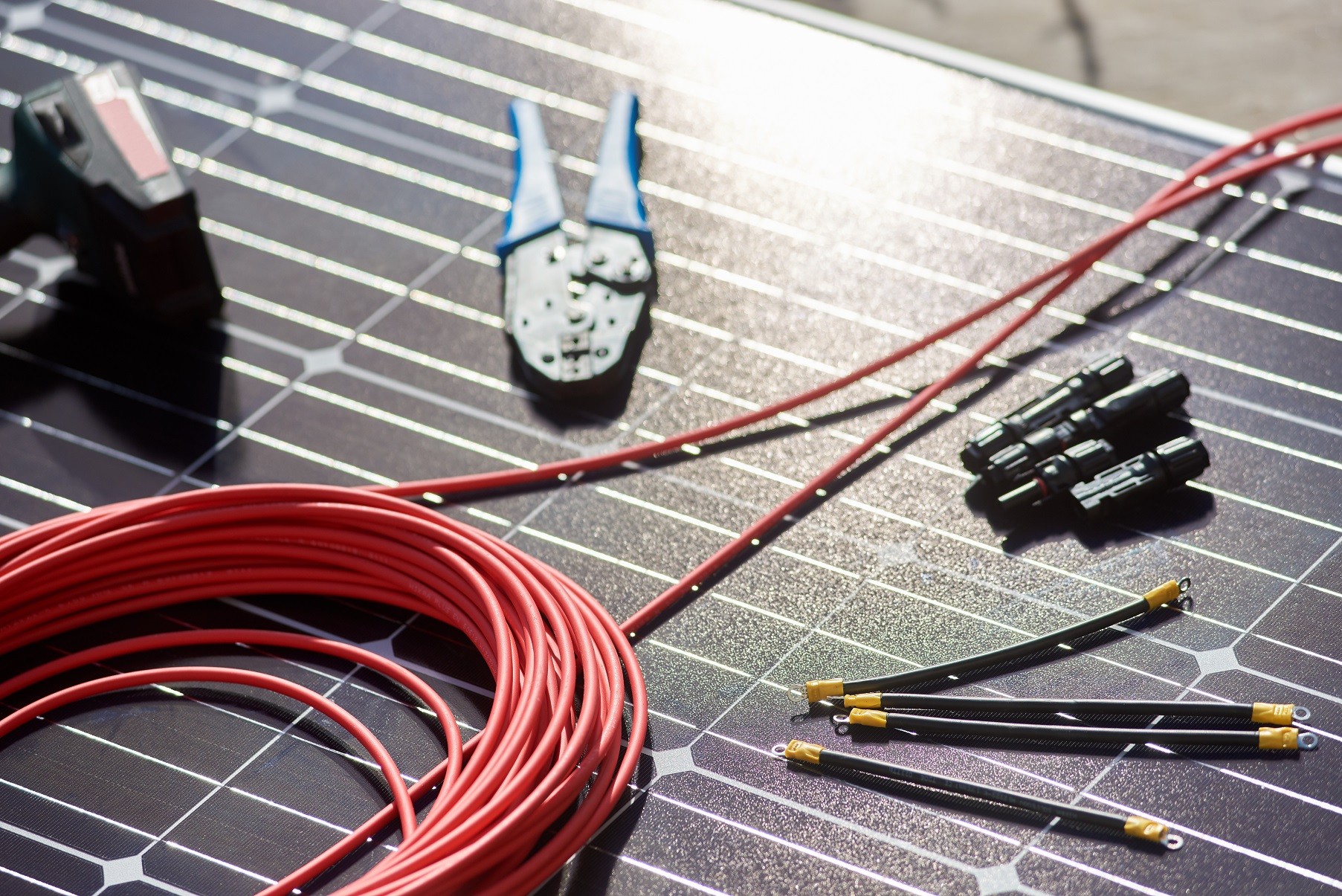
Using compatible cable accessories and certified connection solutions is critical for minimizing long-term operational risks.
Future Trends in PV Cable Reliability
As solar systems move toward higher voltages and larger capacities, cable reliability requirements continue increasing. Modern photovoltaic projects now demand:
Higher voltage ratings (1500V / 2000V DC)
Better flame-retardant performance
Enhanced UV and weather resistance
Improved installation efficiency
Longer operational lifetime
Manufacturers are also developing advanced connection technologies, including friction welding Cu-Al transition solutions and high-performance corrosion-resistant coatings, to improve system safety and reduce maintenance costs.
How Proper PV Cable Selection Prevents Long-Term System Failures
Aging, cracking, and water ingress remain some of the most common causes of photovoltaic cable failure. While harsh environmental conditions are unavoidable in outdoor solar applications, many cable-related problems can be prevented through proper cable selection, high-quality materials, reliable connection technology, and professional installation practices.
As the renewable energy industry continues evolving, durable and high-performance PV cable systems will play an increasingly important role in ensuring the safety, efficiency, and long-term reliability of solar power plants worldwide.
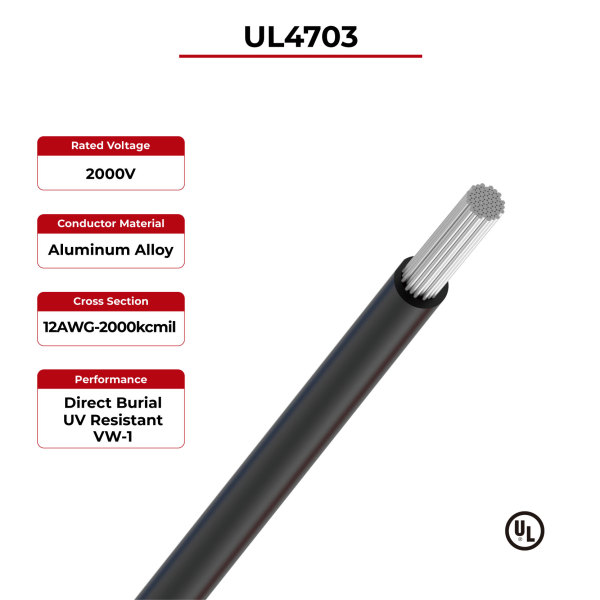
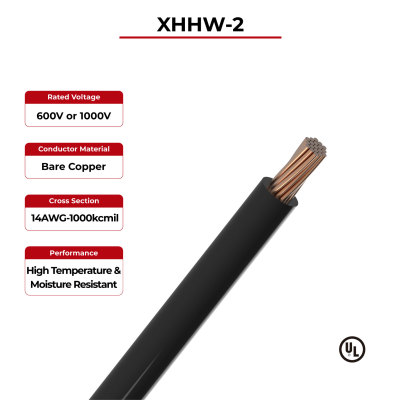
Conductor: 12AWG~2000kcmil
Color: Black, red or other colors
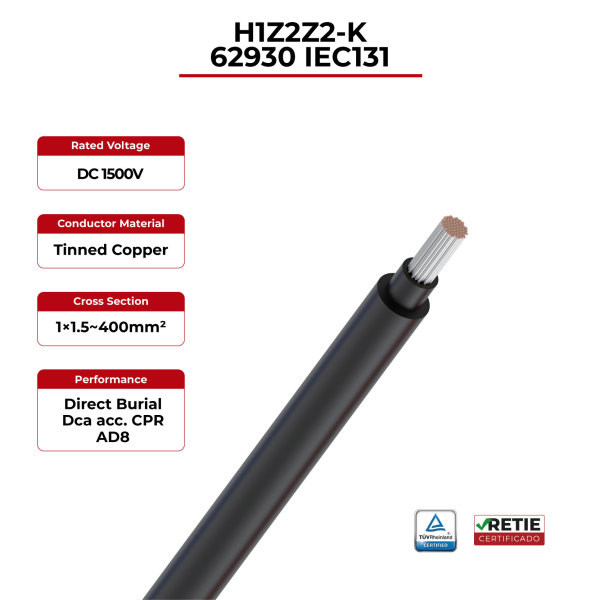
Conductor: 1×1.5~400mm²
Insulation Color: Optional color
Jacket Color: Optional color
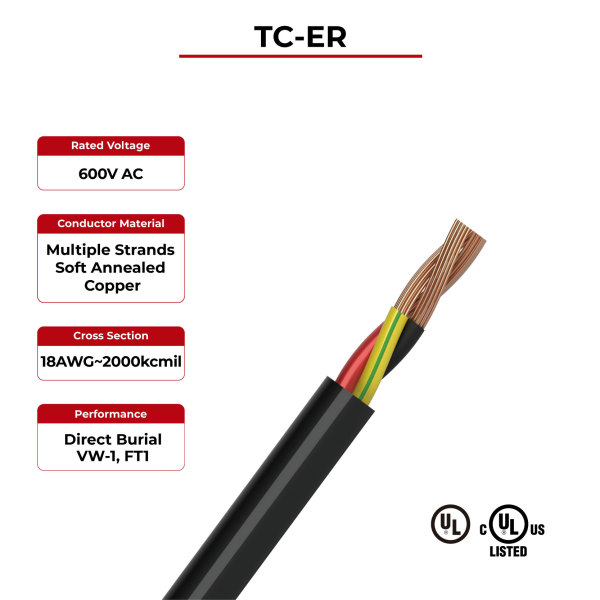
Conductor: 18AWG~2000kcmil
Color: Black, red, yellow/green or other colors
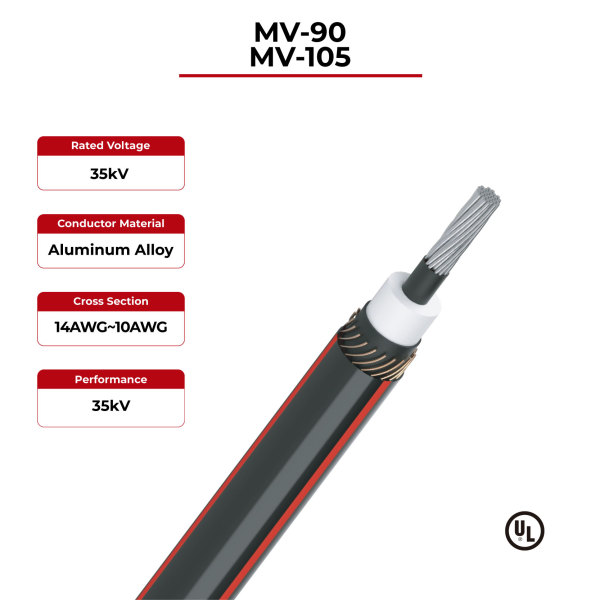
Conductor: 14AWG~2000kcmil
Insulation Color: White
Jacket Color: Black & red
Beyond meeting basic certification requirements, the long-term reliability of a solar cable largely depends on manufacturing quality, material selection, and process control. Consistent conductor quality, high-performance insulation compounds, and precise production processes all contribute to stable electrical performance throughout the lifetime of a photovoltaic system.
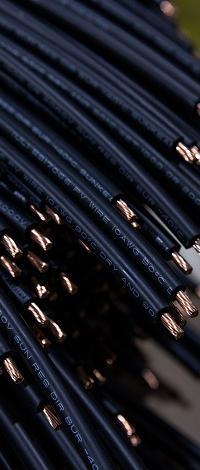
SUNKEAN photovoltaic cables are engineered for demanding outdoor applications and are manufactured under strict quality control procedures. Utilizing advanced extrusion equipment, online monitoring systems, and comprehensive testing processes, SUNKEAN ensures excellent resistance to UV radiation, heat, moisture, and mechanical stress. The portfolio includes TÜV-certified H1Z2Z2-K and 2000V DC photovoltaic cables, as well as aluminum conductor cable solutions designed to help utility-scale projects reduce installation costs without compromising reliability.
Looking for reliable ev charging cable solutions for your project?
SUNKEAN provides high-performance cables designed for solar, industrial, and infrastructure applications — with proven durability, customized solutions, and global project experience.
👉 Contact our team for technical consultation or product recommendations,
or simply send us your project requirements:
Email: sales@sunkean.com
Tel: +86 0510-81083036
WhatsApp: 17252867971