



UL Certified Cables vs IEC Standard Cables: Key Differences Every Export Project Should Know
As renewable energy, energy storage, EV charging, and industrial automation projects continue to expand globally, cable compliance has become a critical consideration for manufacturers, EPC contractors, system integrators, and project developers. One of the most common questions in international projects is: What is the difference between UL-certified cables and IEC-standard cables?
At first glance, both types of cables are designed to ensure electrical safety and performance. However, they are based on different regulatory frameworks, testing methods, certification processes, and market requirements. Selecting the wrong cable standard can lead to project delays, customs issues, failed inspections, or even the inability to enter certain markets.
For companies involved in export projects, understanding the differences between UL certification and IEC standards is essential for ensuring compliance and long-term project success.
Why Cable Standards Matter in Export Projects?
Cable standards do much more than define product specifications. They establish requirements for safety, performance, durability, environmental resistance, and installation suitability. When a project is developed in a specific country or region, local authorities, utilities, insurance companies, and inspection bodies often require cables to comply with recognized standards.
For example: Projects in North America frequently require UL-certified cables. Projects across Europe, Asia, the Middle East, Africa, and many international markets commonly reference IEC standards.
Multinational projects may require compliance with both UL and IEC requirements depending on installation locations and end-user specifications.
As a result, cable selection should always begin with an understanding of the target market’s regulatory expectations.
What Is UL Certification?
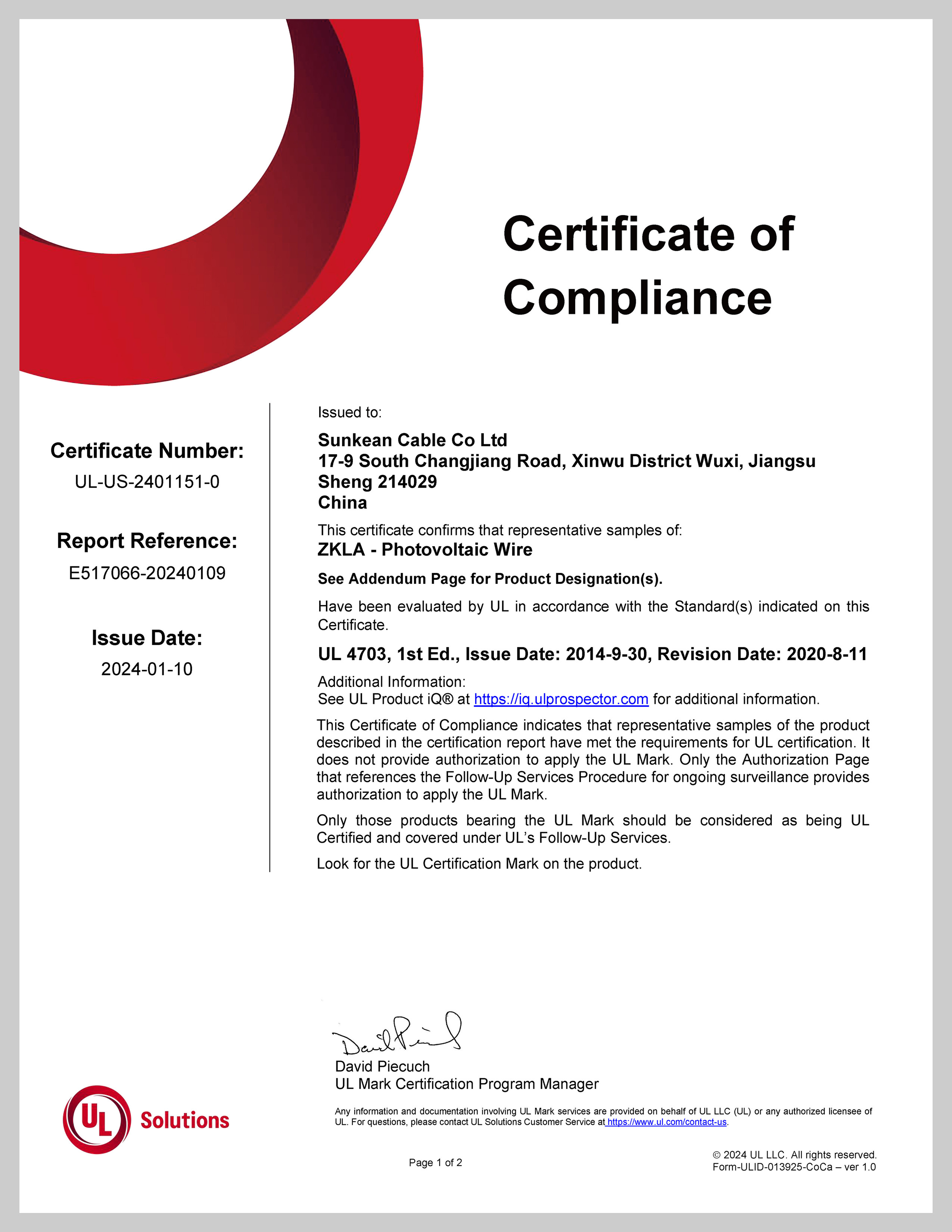
UL certification refers to testing and certification conducted according to standards developed by the UL Solutions.
Originally established in the United States, UL standards are widely recognized throughout:
· United States
· Canada
· Mexico
· Certain Latin American markets
· International projects following North American specifications
UL certification focuses heavily on product safety and installation compliance.
A UL-certified cable typically undergoes testing for:
· Electrical performance
· Flame resistance
· Mechanical durability
· Environmental resistance
· Marking and traceability
· Manufacturing consistency
Unlike self-declaration systems, UL certification generally requires ongoing factory inspections and continuous compliance monitoring.
This means that certification is not only based on initial testing but also on maintaining consistent manufacturing quality throughout production.
What Are IEC Standards?
The International Electrotechnical Commission (IEC) develops internationally recognized standards for electrical and electronic products.
IEC standards are widely adopted across:
· Europe
· Asia-Pacific
· Middle East
· Africa
· South America
· Global infrastructure projects
Rather than functioning as a single certification mark, IEC standards provide technical specifications that manufacturers use to design and test products.
Examples commonly used in renewable energy applications include:
· IEC 62930 for photovoltaic cables
· IEC 60228 for conductor requirements
· IEC 60502 for power cables
· IEC 60332 for flame-retardant performance
· IEC 60754 for halogen emission testing
Many national standards are either derived from or closely aligned with IEC requirements.
As a result, IEC compliance often serves as the foundation for international project specifications.
Key Difference #1: Geographic Market Acceptance
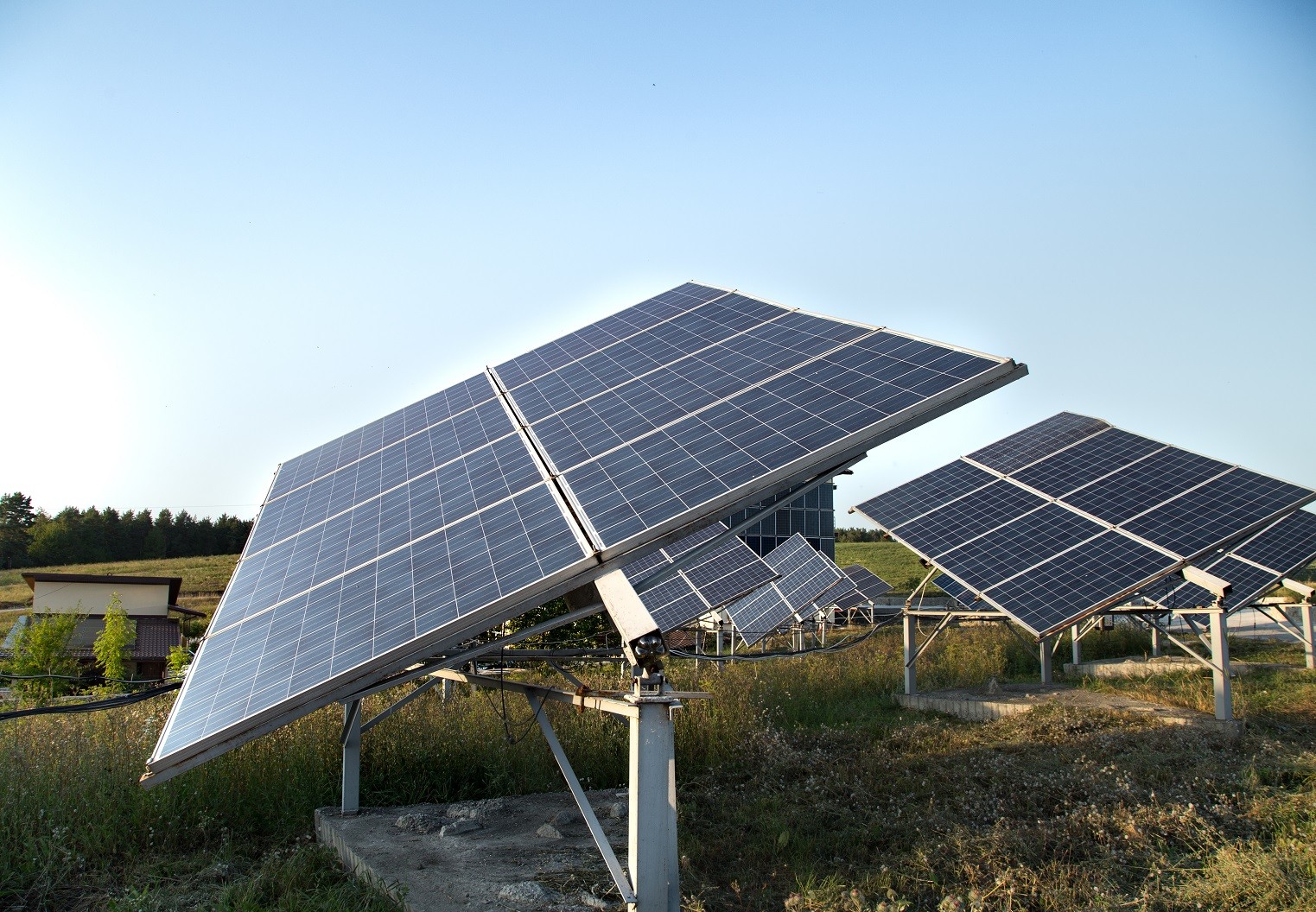
One of the most important differences is market recognition.
UL-Certified Cables
UL certification is generally preferred or required in North American markets.
Examples include:
· Solar farms in the United States
· Battery energy storage projects in Canada
· EV charging infrastructure in North America
· Industrial facilities built according to NEC requirements
Many authorities having jurisdiction (AHJs) and inspectors expect products carrying recognized UL markings.
IEC Standard Cables
IEC-based cables dominate most international markets outside North America.
Typical applications include:
· European photovoltaic installations
· Utility-scale solar projects in the Middle East
· Energy storage systems in Southeast Asia
· Infrastructure projects across Africa
· International EPC projects
For export-oriented manufacturers, IEC compliance often provides broader global applicability.
Key Difference #2: Testing Philosophy
Although both systems focus on safety and reliability, their testing approaches differ.
UL Testing Approach
UL standards frequently evaluate cables according to specific installation environments and practical application conditions.
Testing may include:
· Vertical flame tests
· Sunlight resistance
· Direct burial performance
· Oil resistance
· Crush resistance
· Wet-location suitability
The goal is to verify that cables can safely perform in real-world installations commonly found in North America.
IEC Testing Approach
IEC standards emphasize technical performance parameters and internationally harmonized requirements.
Testing commonly evaluates:
· Electrical characteristics
· Thermal performance
· Mechanical strength
· Flame propagation
· Insulation properties
· Environmental durability
The objective is to establish globally consistent technical benchmarks across different countries and industries.
Key Difference #3: Cable Identification and Markings
Conductor material plays a significant role in balancing performance and project economics.
Copper Conductors
Copper remains the preferred choice for many energy storage installations due to:
· High electrical conductivity
· Lower resistance
· Compact cable dimensions
· Excellent mechanical strength
· Proven long-term reliability
Copper cables are particularly suitable for applications where space is limited and maximum performance is required.
Aluminum Conductors
As energy storage projects continue to increase in scale, aluminum conductor cables are becoming increasingly attractive.
Advantages include:
· Lower material cost
· Reduced cable weight
· Easier transportation and handling
· Lower theft risk in certain installations
Modern copper-to-aluminum connectivity technologies and dedicated aluminum cable connectors have significantly improved installation reliability, making aluminum a viable option for large-scale energy storage projects seeking cost optimization.
Can One Cable Meet Both UL and IEC Requirements?
In some cases, yes.
Many export-oriented cable manufacturers develop products designed to satisfy both North American and international requirements.
Dual-certified solutions can provide several advantages:
· Simplified inventory management
· Broader market access
· Reduced procurement complexity
· Greater project flexibility
· Improved supply chain efficiency
However, achieving compliance with both systems often requires additional testing, design optimization, and certification investment.
Project specifications should always be reviewed carefully before assuming interchangeability.
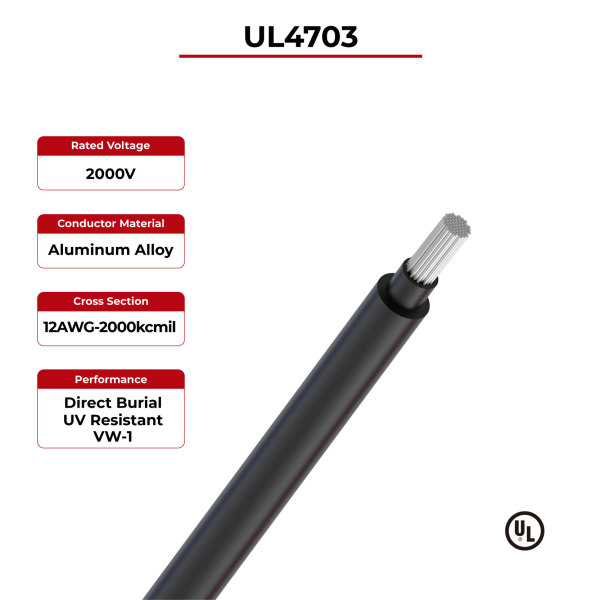
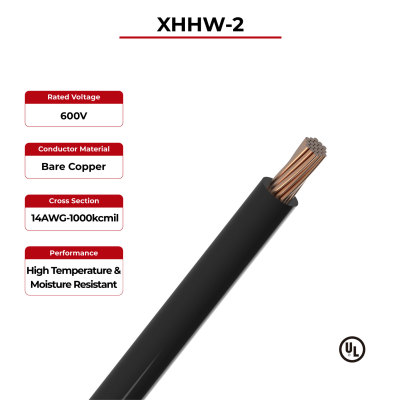
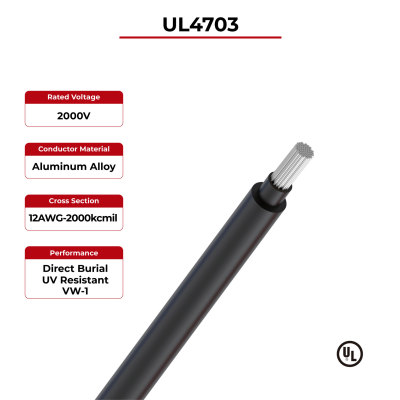
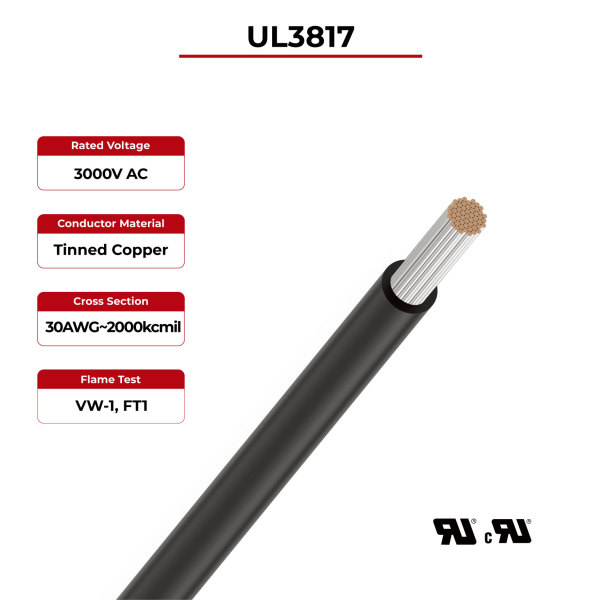
Conductor: 18AWG~2000kcmil
Color: Black, red or other colors
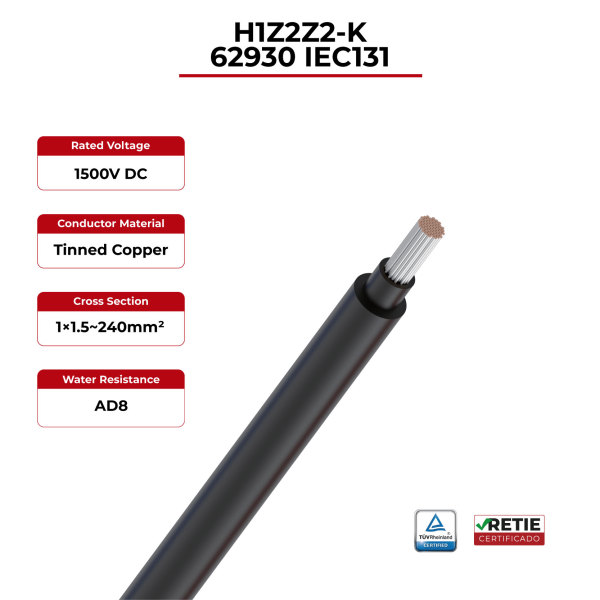
Conductor: 1×1.5~400mm²
Insulation Color: Optional color
Jacket Color: Optional color
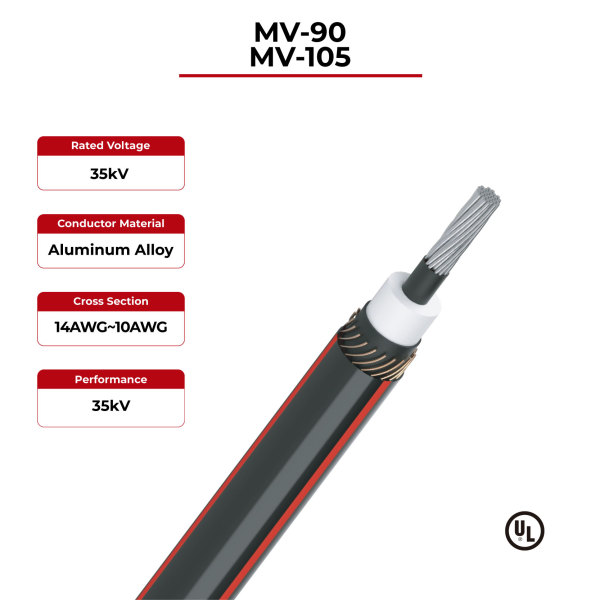
Conductor: 14AWG~2000kcmil
Insulation Color: White
Jacket Color: Black & red
As a professional manufacturer of solar cables, energy storage cables, EV charging cables, cable assemblies, and connectivity solutions, SUNKEAN understands the challenges of international project compliance.
Our products are developed to meet the requirements of major global markets and are supported by internationally recognized certifications and rigorous quality control systems. From photovoltaic power plants and battery energy storage systems to EV charging infrastructure and industrial applications, SUNKEAN helps customers select the right cable solutions for specific regulatory environments and project requirements.
With extensive export experience and strong technical support capabilities, we assist customers in navigating complex certification requirements while ensuring reliable project performance.
Looking for reliable ev charging cable solutions for your project?
SUNKEAN provides high-performance cables designed for solar, industrial, and infrastructure applications — with proven durability, customized solutions, and global project experience.
👉 Contact our team for technical consultation or product recommendations,
or simply send us your project requirements:
Email: sales@sunkean.com
Tel: +86 0510-81083036
WhatsApp: 17252867971